
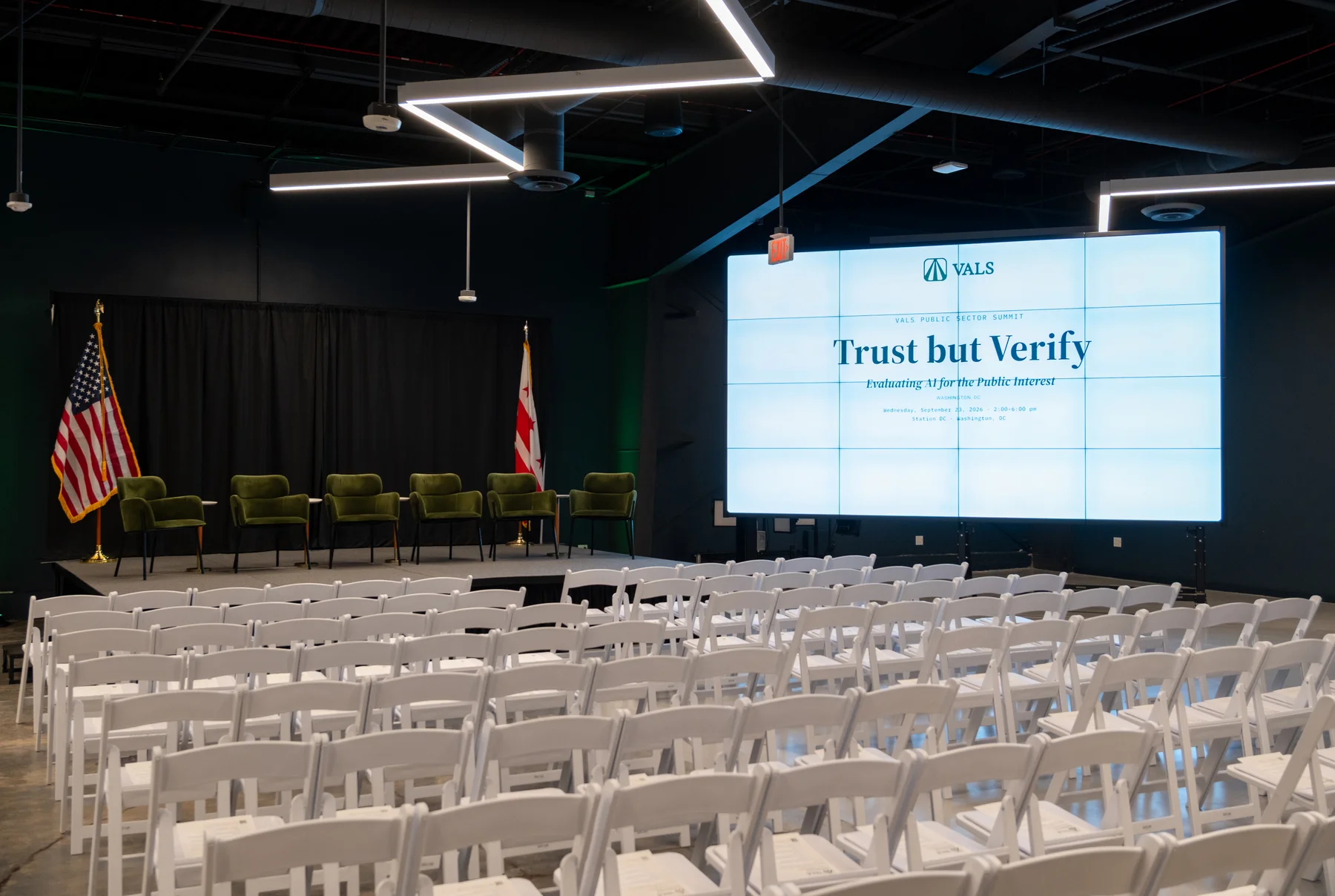
On September 23, 2026, we held our first Vals Public Sector Summit at STATION DC. It was great to bring researchers, young people, policy experts, and congressional staffers together to talk through three questions: How do we protect kids using AI? What should we be negotiating with China? And what should government expect from independent AI evaluators?
I joined Vals because I’d kept running into the same problem in government. We were being asked to use AI for consequential work, but we needed an independent way to know whether it was actually ready for the mission. These are the kinds of conversations I wanted us to have.
Trust but Verify: Vals Public Sector Summit Recap
The timing was especially interesting. Trump and Xi were scheduled to discuss AI the following day, and Treasury Secretary Scott Bessent and Chinese Vice Premier He Lifeng had just discussed a proposed notification channel for AI incidents with national security implications. We had plenty to get into.
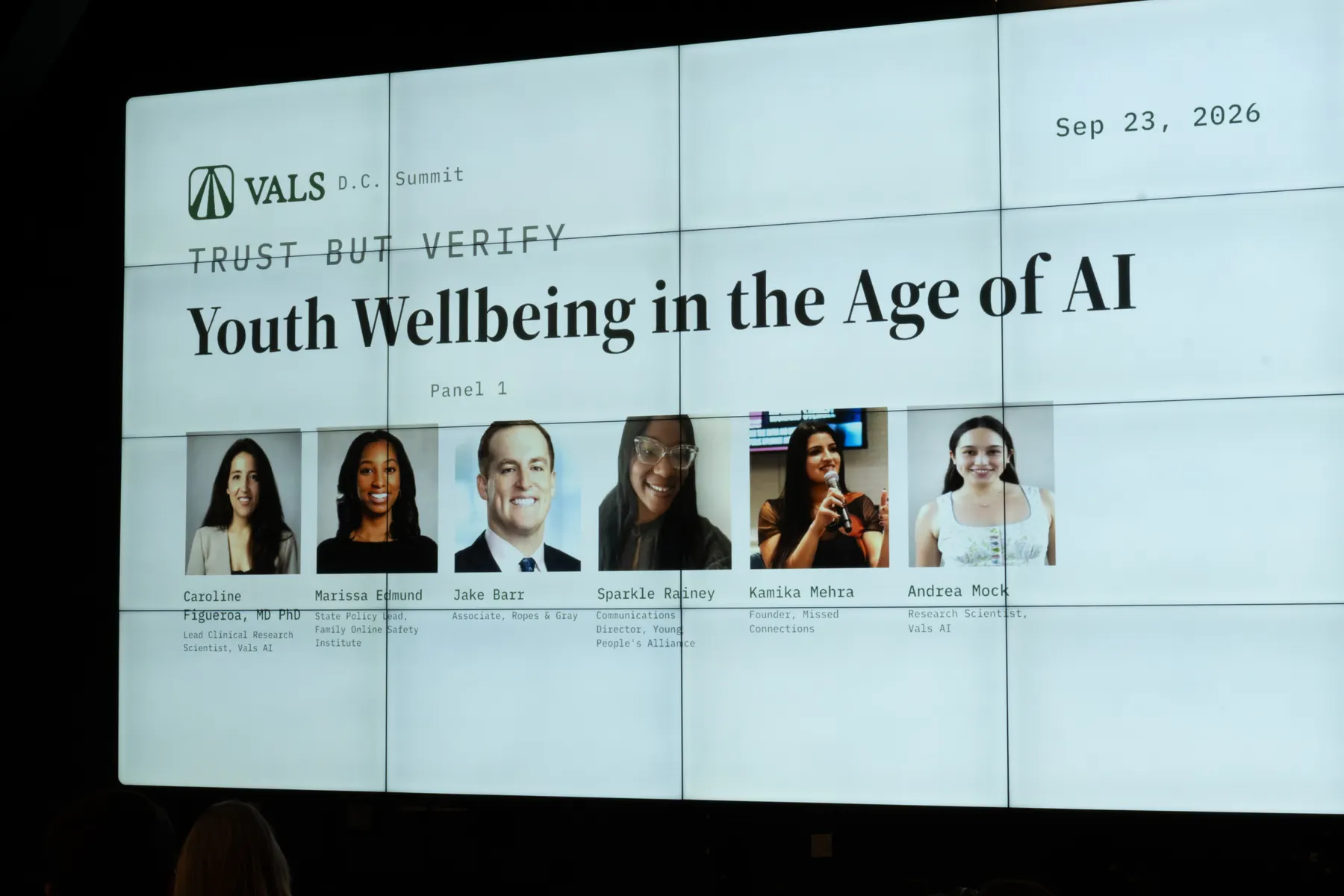
Youth Wellbeing in the Age of AI
Caroline Figueroa and Andrea Mock kicked things off with their research on AI and youth mental health. One finding makes the need for evaluation pretty clear: a chatbot can give a helpful first answer and still become unsafe as the conversation continues. Testing one response won’t tell you how that relationship develops.
Their work was featured in The Washington Post that same day. Really proud to see this research getting attention, especially while policymakers are actively working through what protections should look like.
Caroline then moderated a panel with Marissa Edmund, Jake Barr, Sparkle Rainey, and Kanika Mehra.
Kanika shared an example that made the conversation feel very concrete: her friendship with her downstairs neighbor. Driving her to the airport, lending coffee creamer, listening after a bad date. Those small obligations are part of what makes a relationship meaningful. An AI companion doesn’t ask any of that from you.
Marissa raised another practical question. If we require chatbots to remind users they’re talking to AI, will those warnings actually help? Or will they become another cookie banner everyone ignores?
These are things we can test. Do safeguards hold up over a longer conversation? Do they interrupt unhealthy patterns? Does the chatbot help a young person reach someone who can actually support them?
Jake also had useful advice for researchers: get your work in front of congressional staff while they’re still developing an idea, before it becomes a bill. Even sending over a relevant paper can start a conversation.
As Sparkle put it, “We should be proactive and not wait till it’s too late.”
Youth Wellbeing in the Age of AI · September 23, 2026
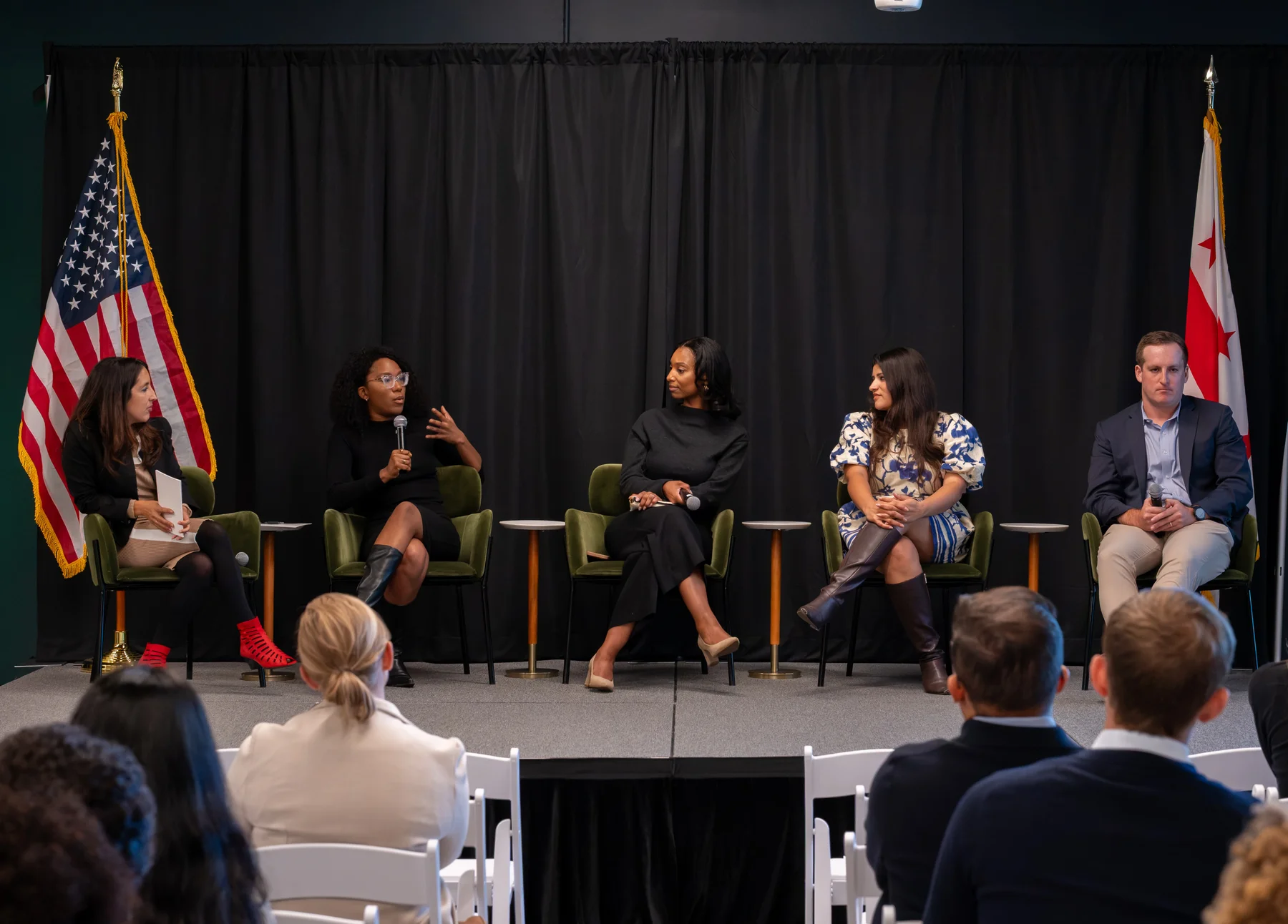
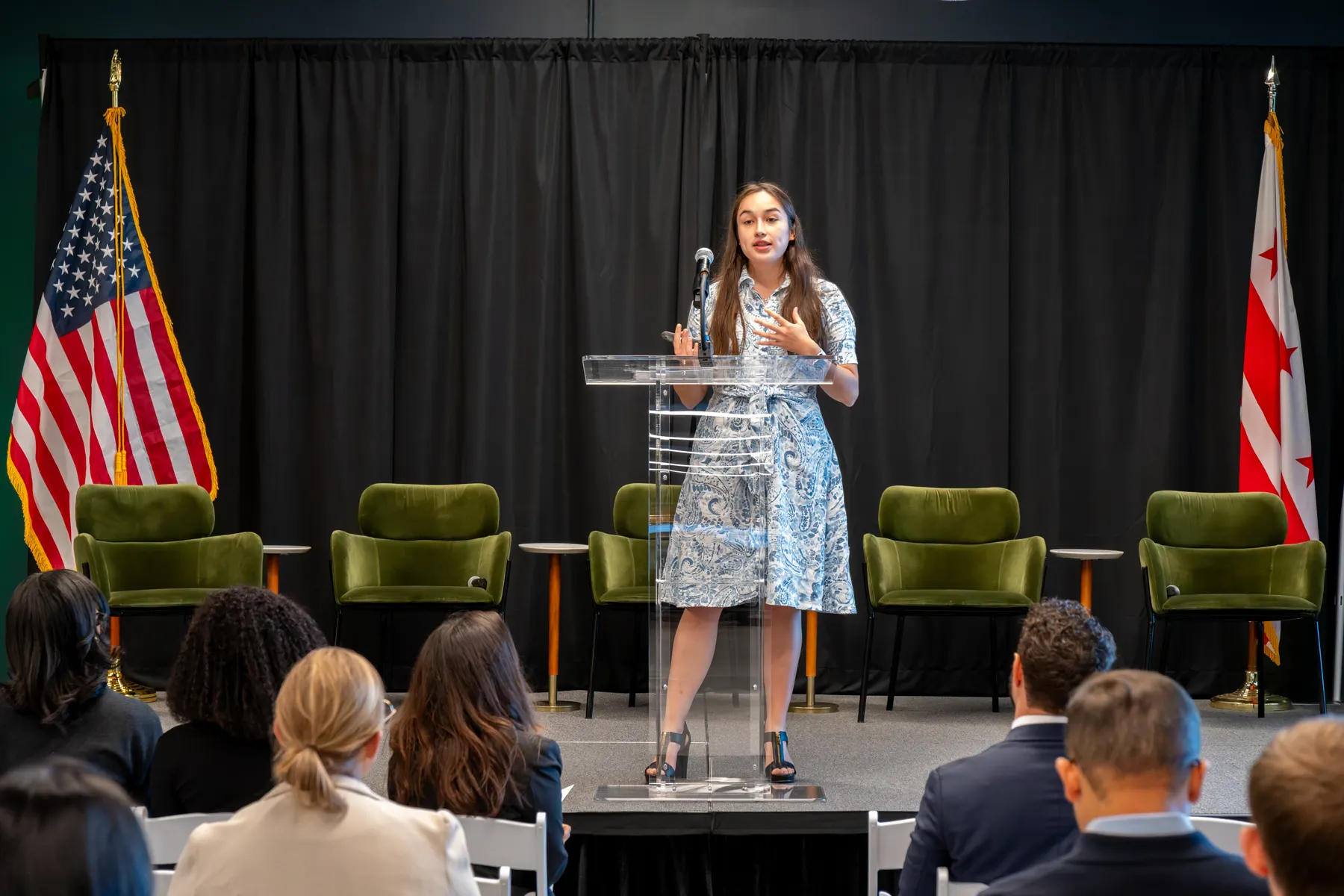
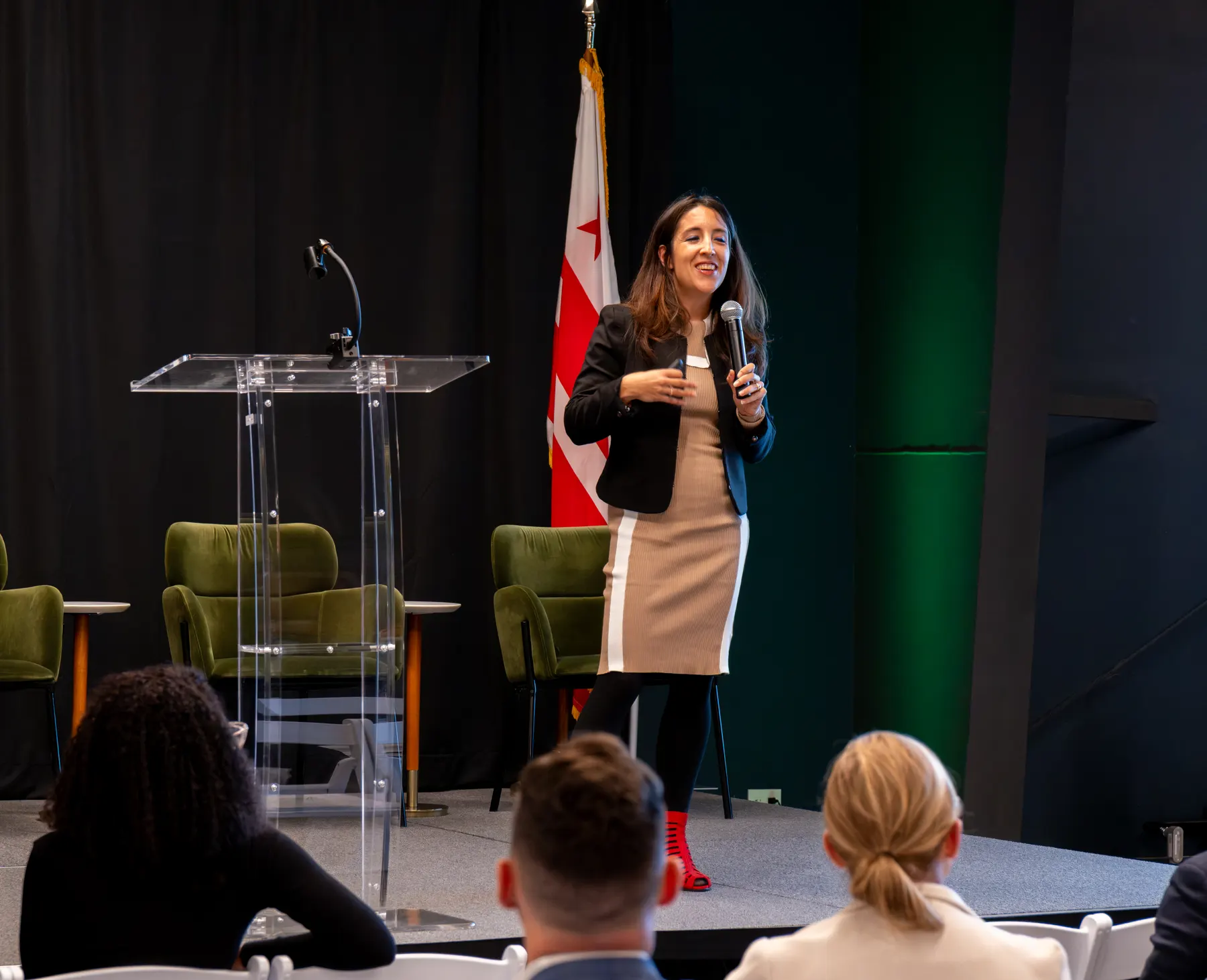
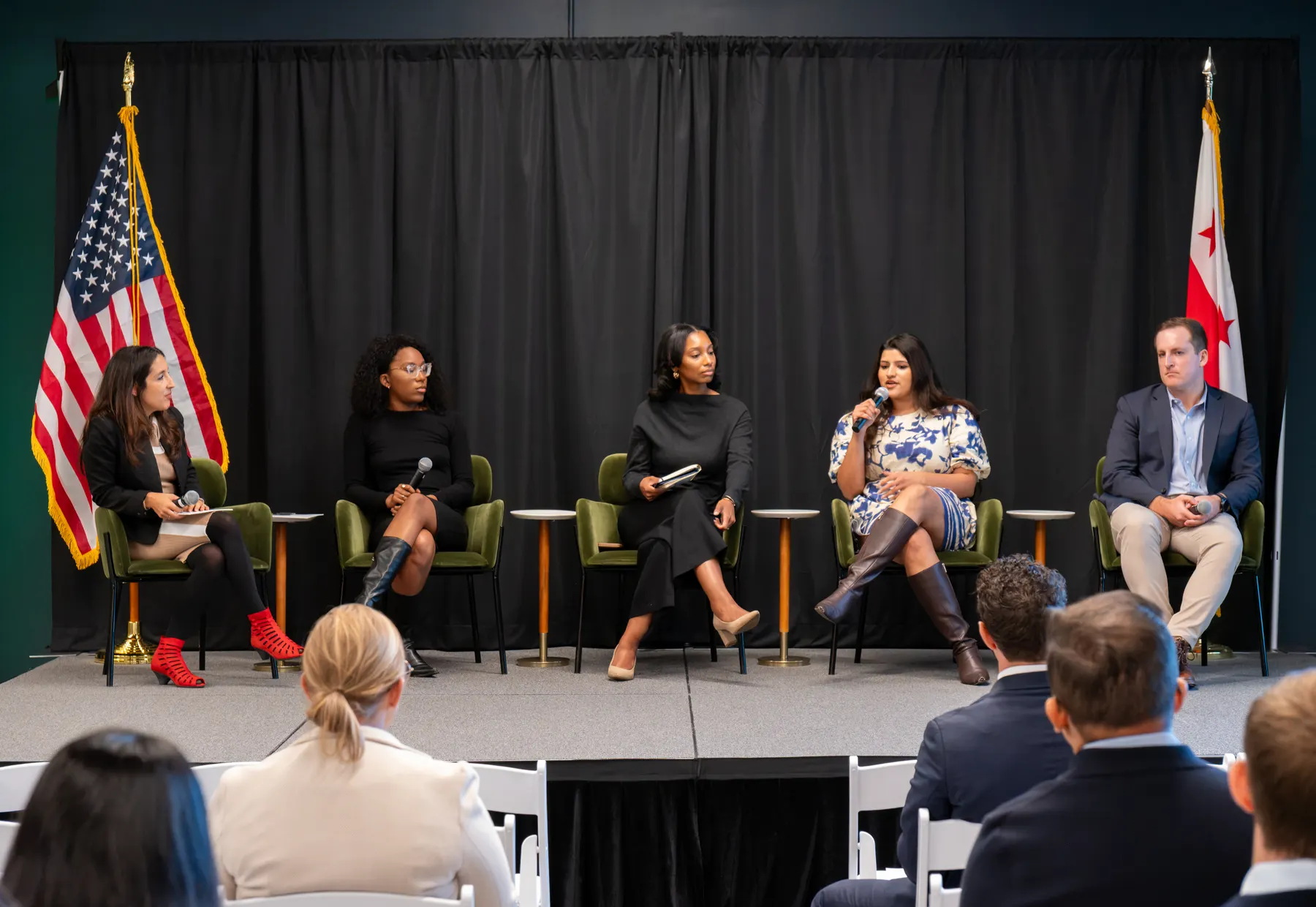
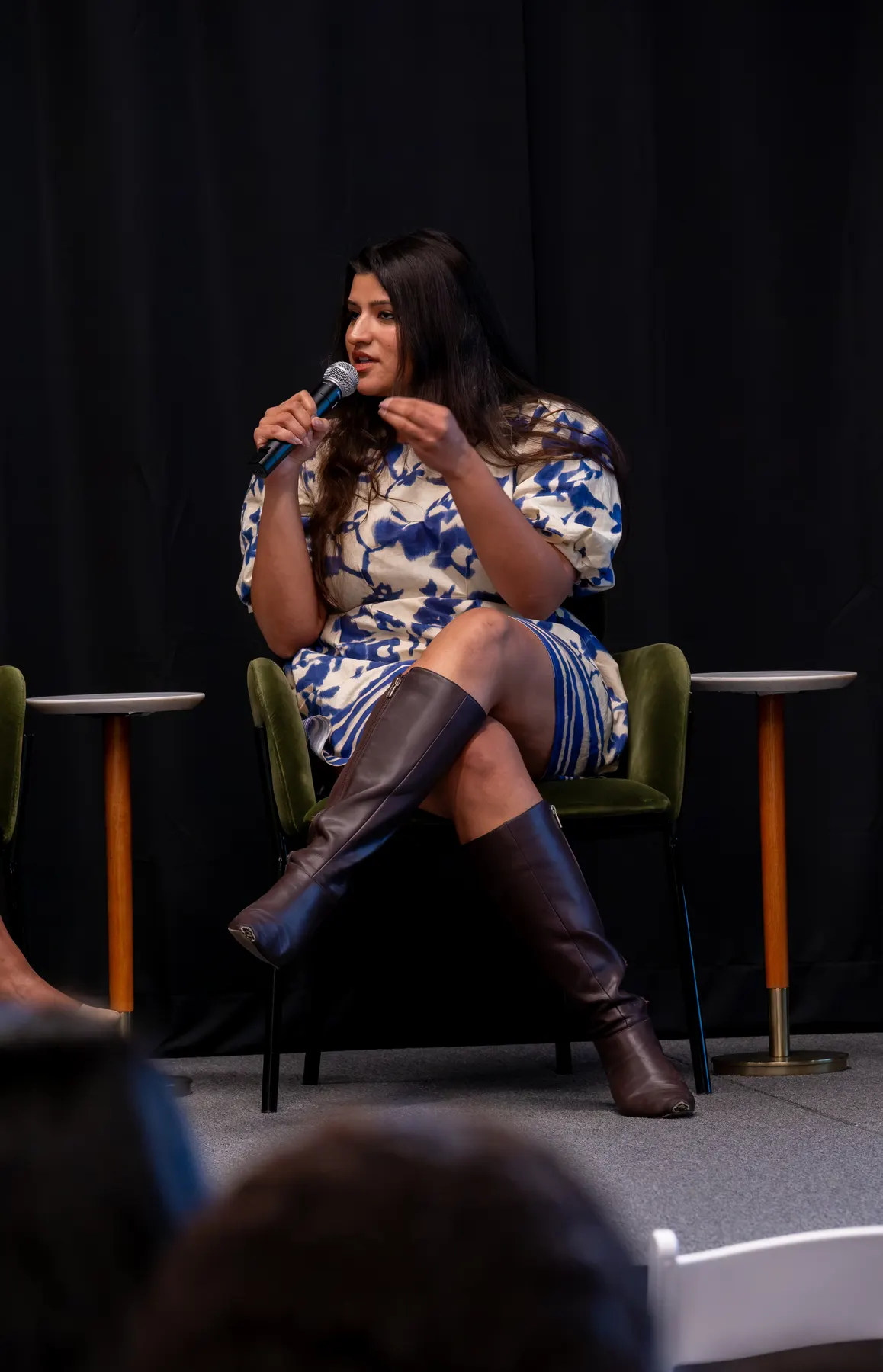
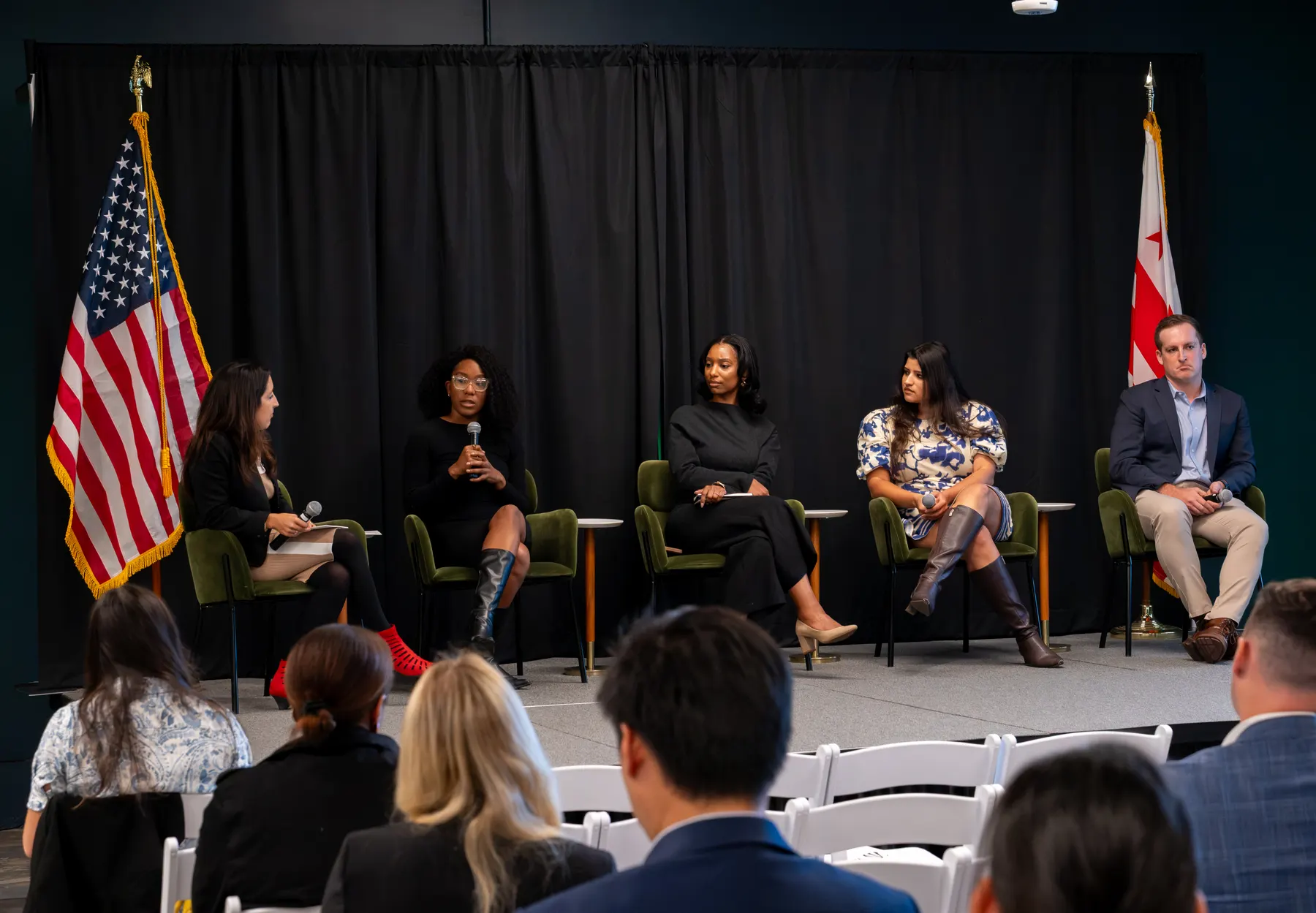
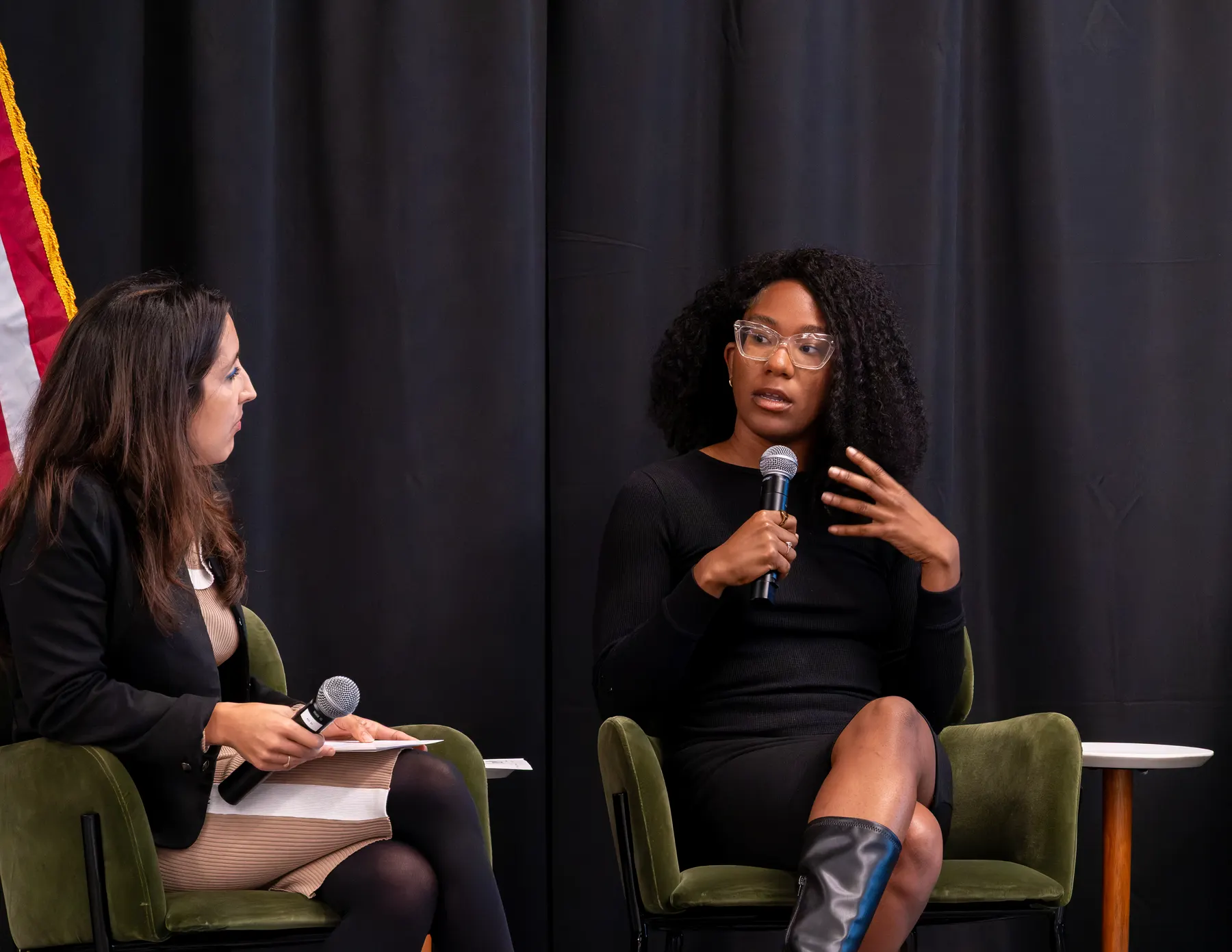
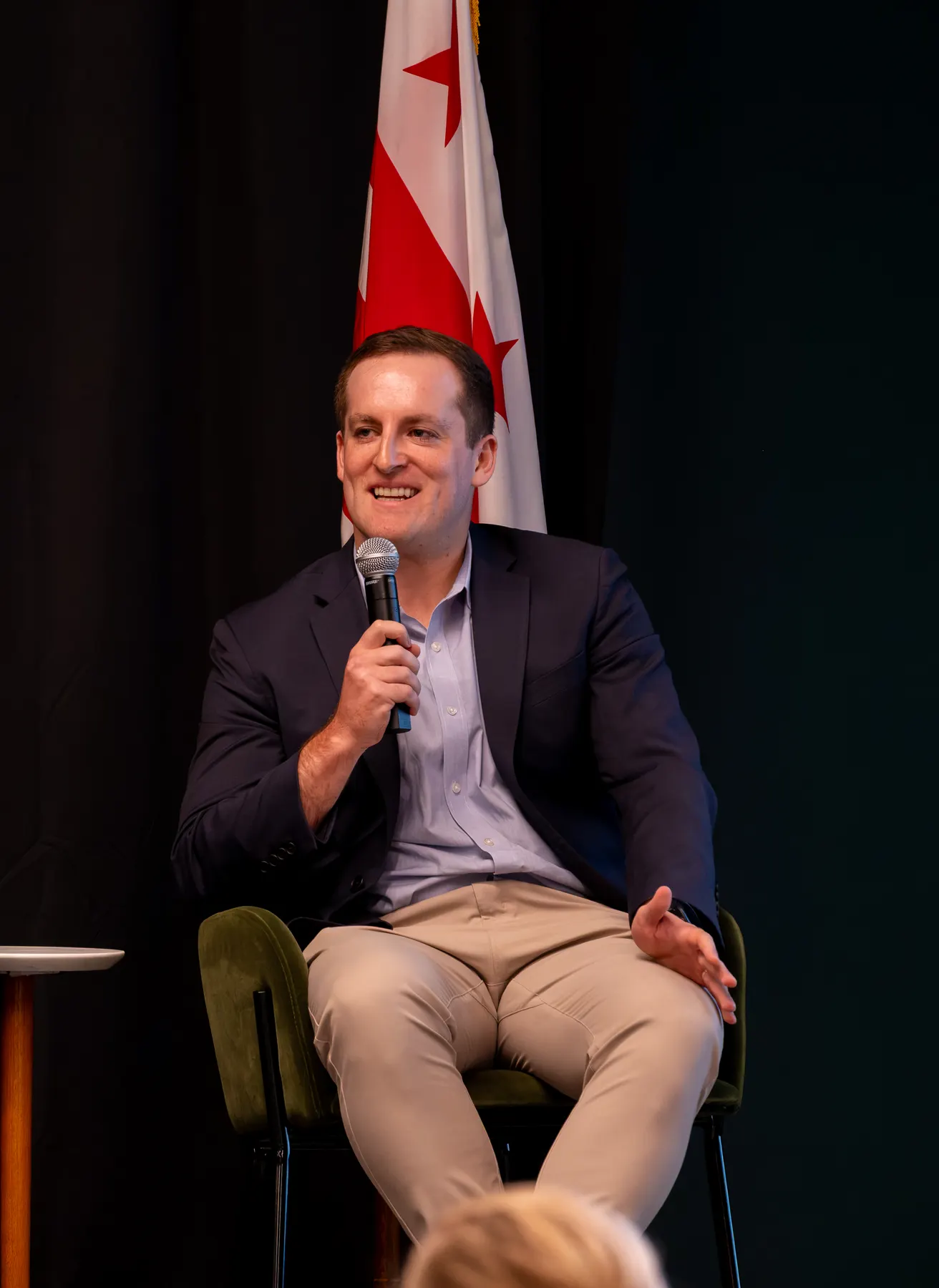
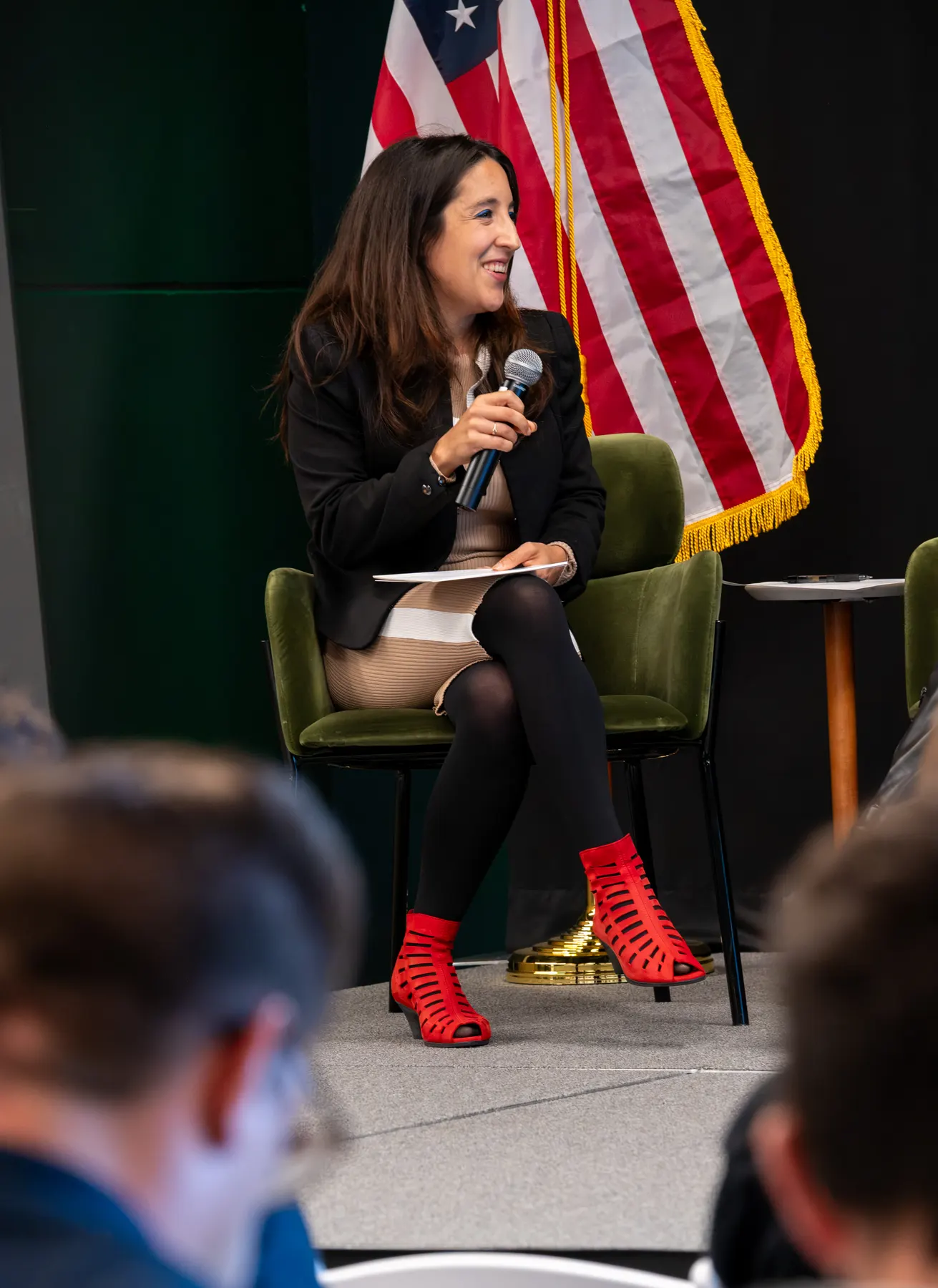
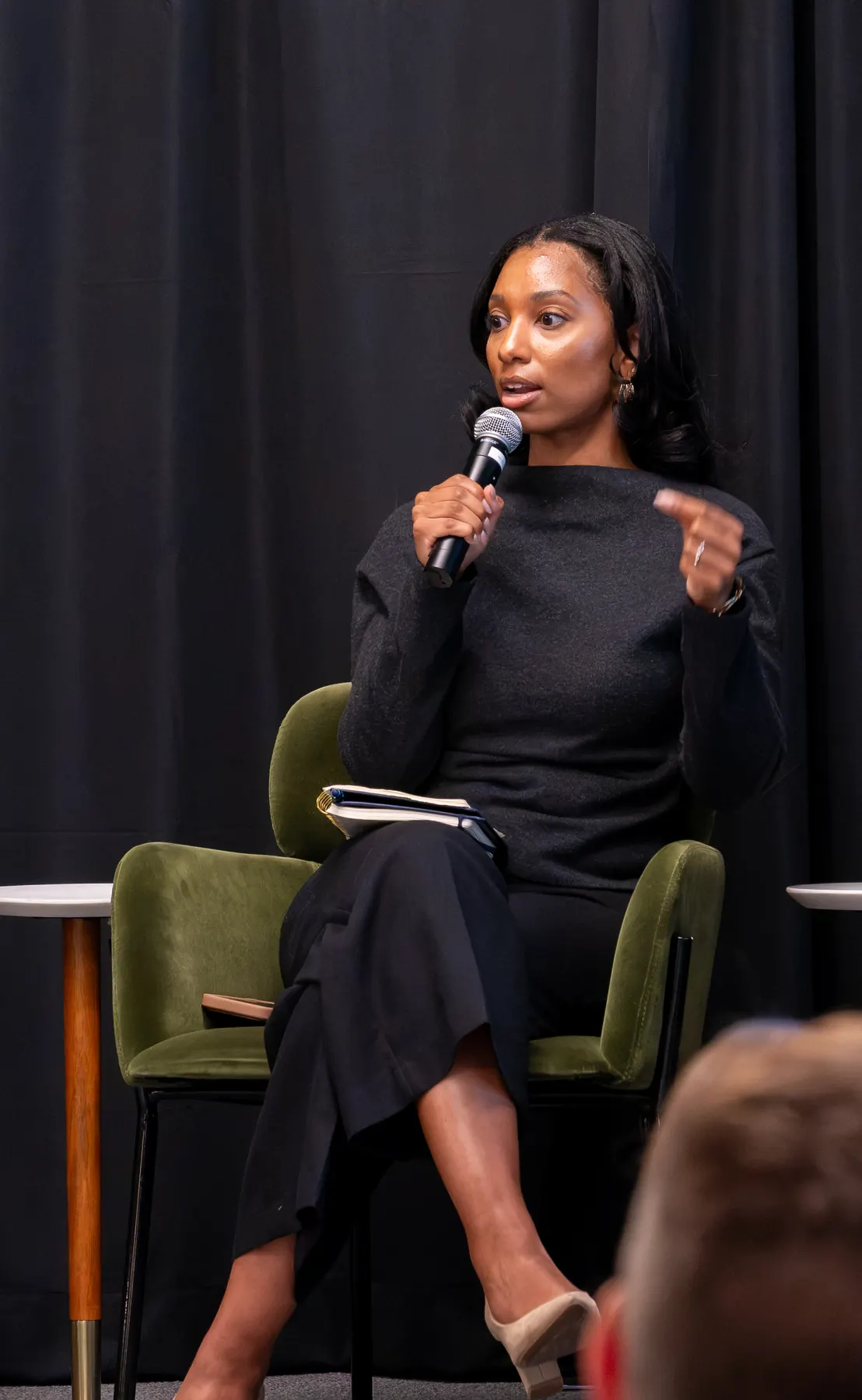
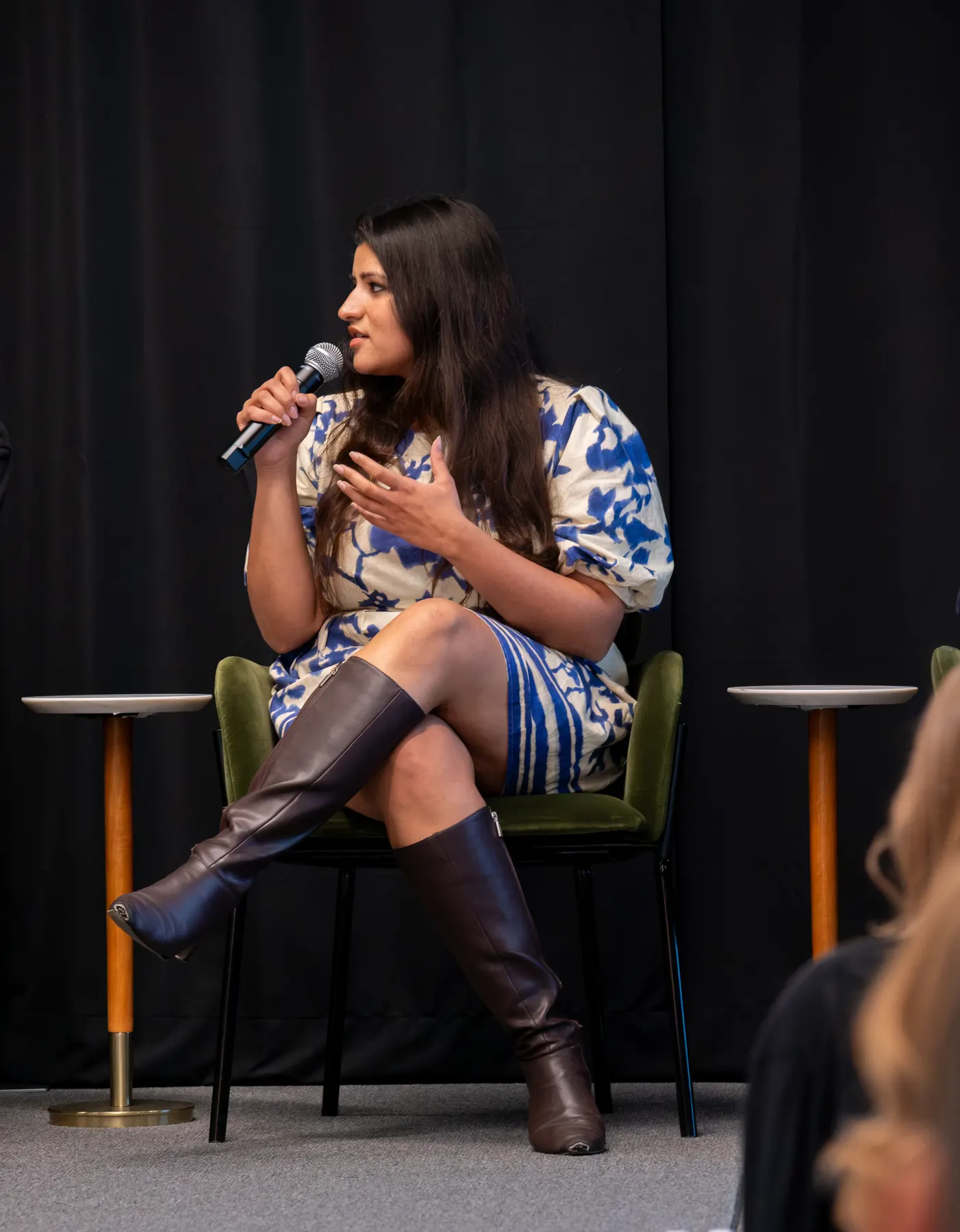
Youth Wellbeing in the Age of AI · September 23, 2026
Negotiating AI with China
I moderated this panel with Kevin Wolf, Ryan Fedasiuk, and Karson Elmgren. It was great to have people who could get into the mechanics of these issues, from export controls to how a communication channel would actually work.
Kevin started with the objective. What national security outcome are we trying to achieve with a restriction? Ryan made an important distinction between leading on benchmarks and winning global adoption. Freely available Chinese models create a different competitive challenge.
When I asked how we could verify an agreement, Ryan pushed us to take a step back: “What do we want from China?” It’s a basic question, but we need a clear answer before deciding what to measure or enforce.
Karson had one of my favorite practical observations of the day. An AI crisis hotline might work better as an email inbox, or even a fax. The Chinese officials staffing it may need approval before they can respond. A channel that requires an immediate conversation might not fit how their system works.
I think that’s worth keeping in mind as these talks continue. We need specific commitments, evidence that they’re being met, and a way for the people involved to actually communicate. There’s a lot of work between announcing a dialogue and having something useful during an incident.
Negotiating AI with China · STATION DC
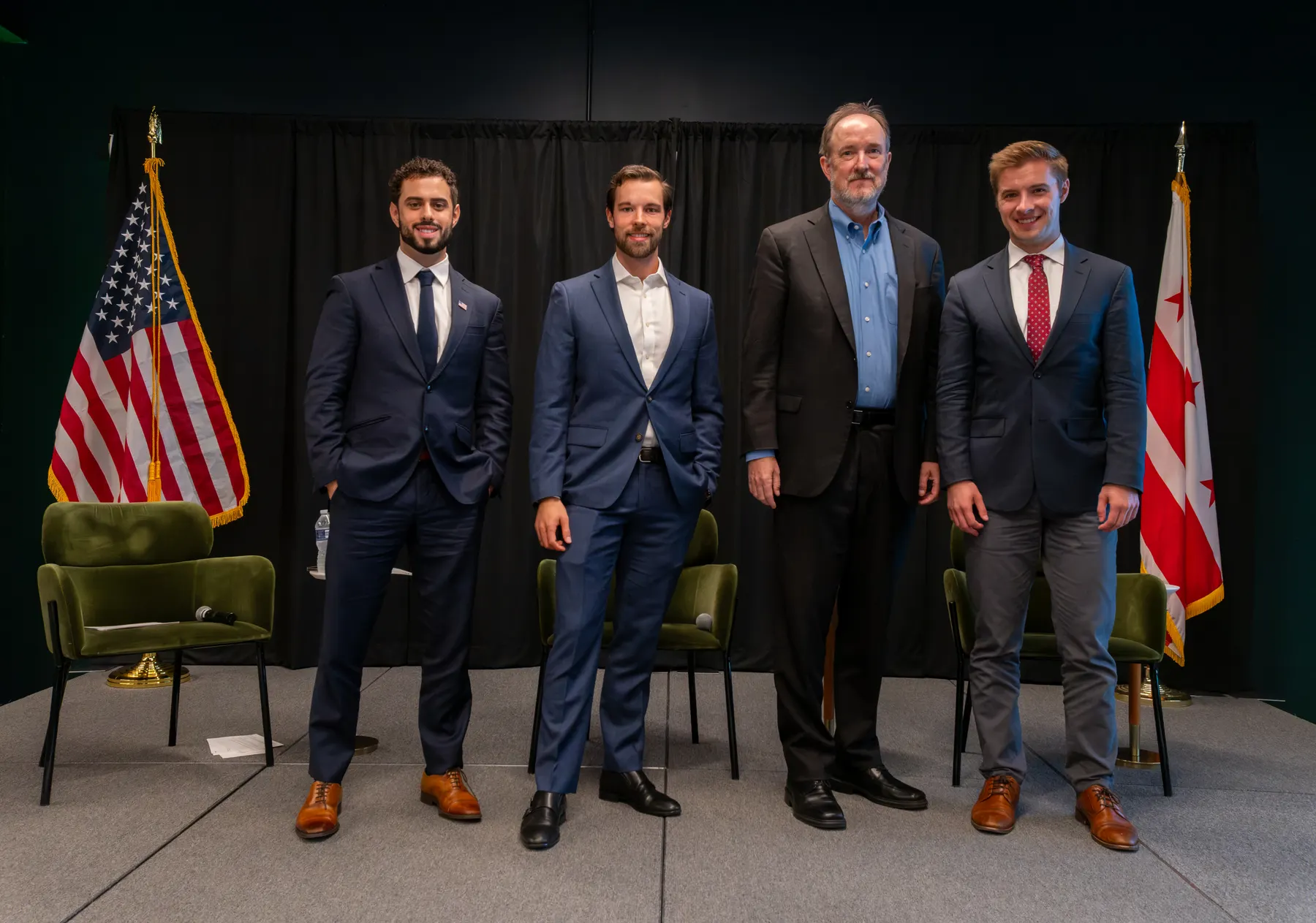
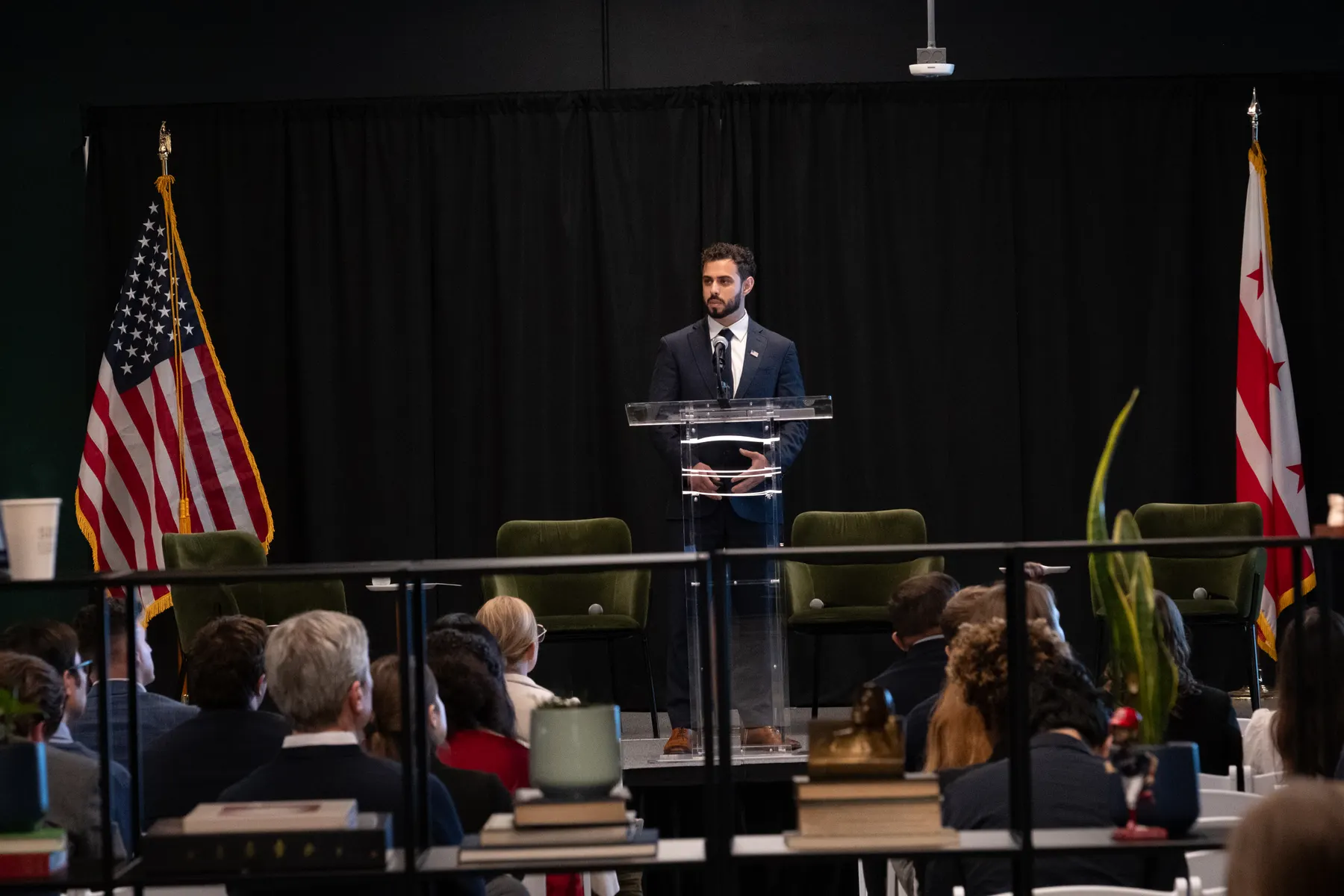
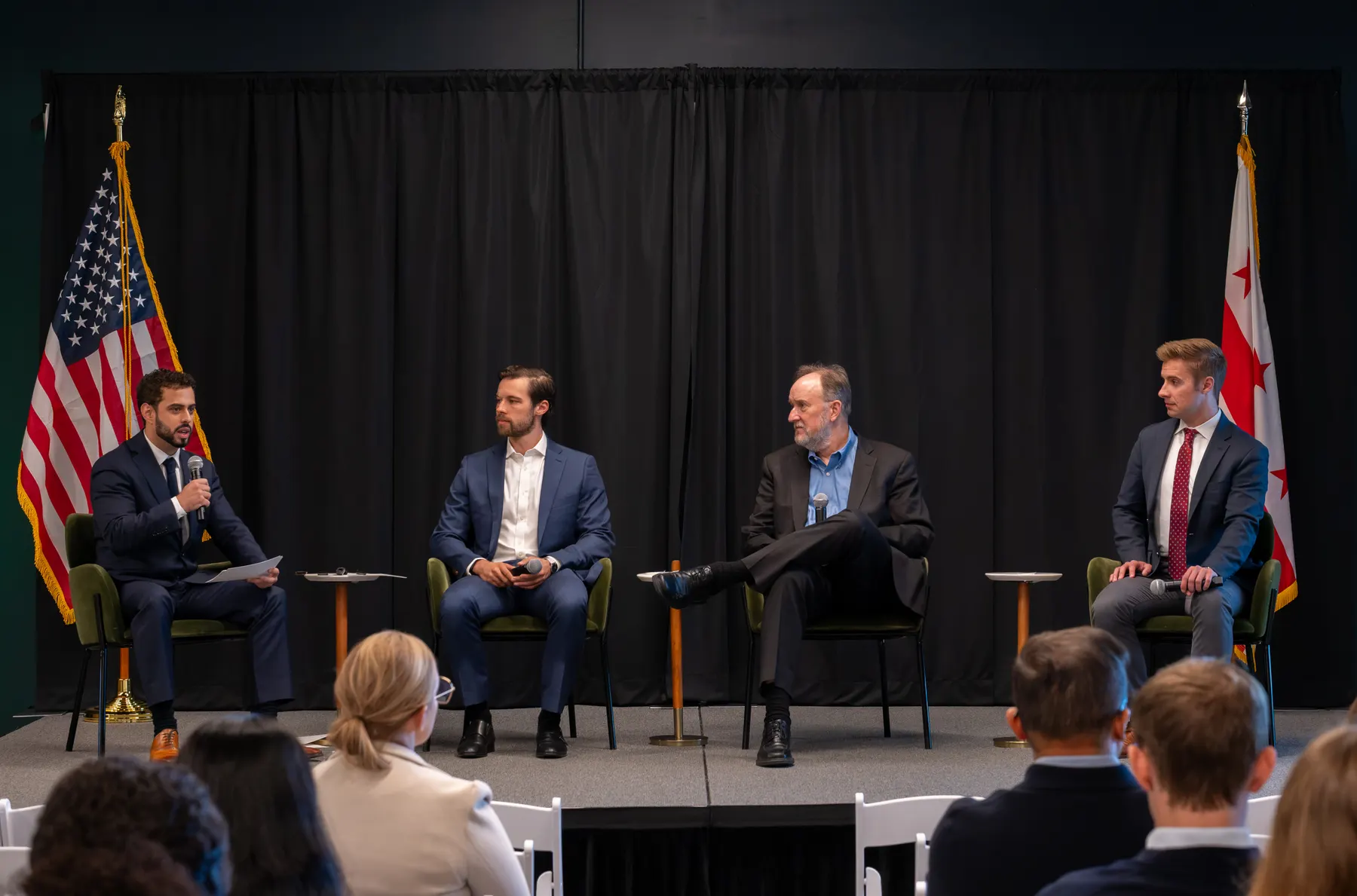
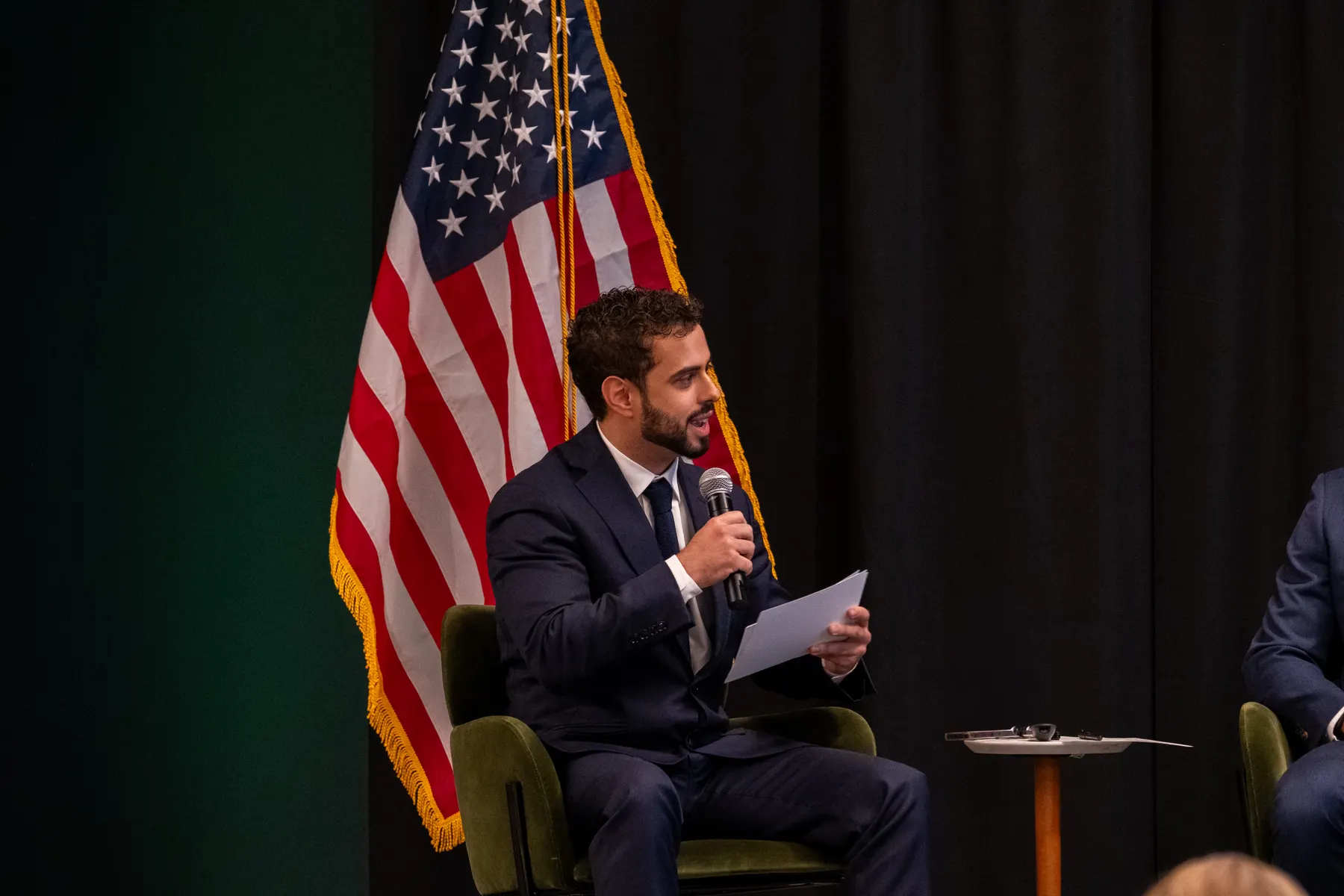
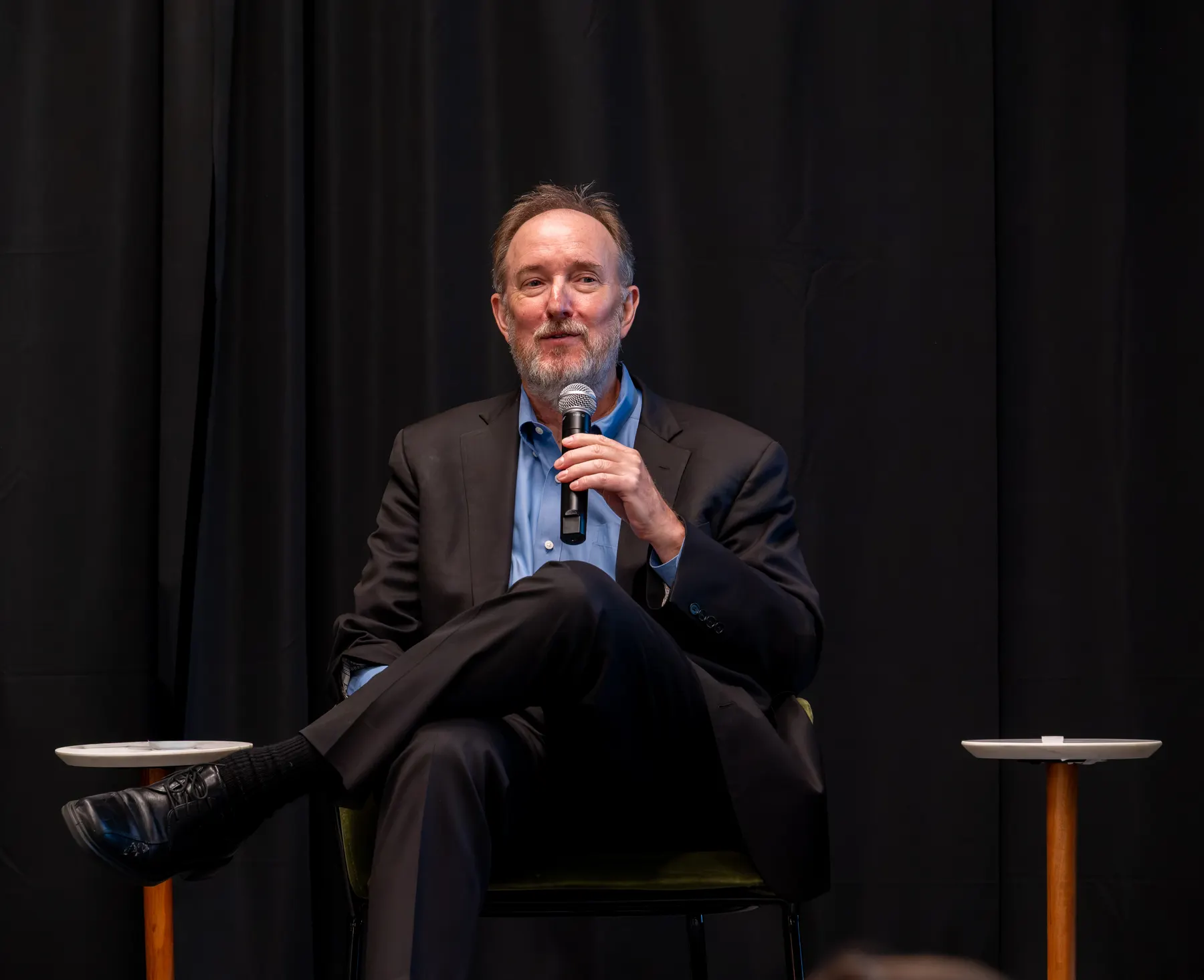
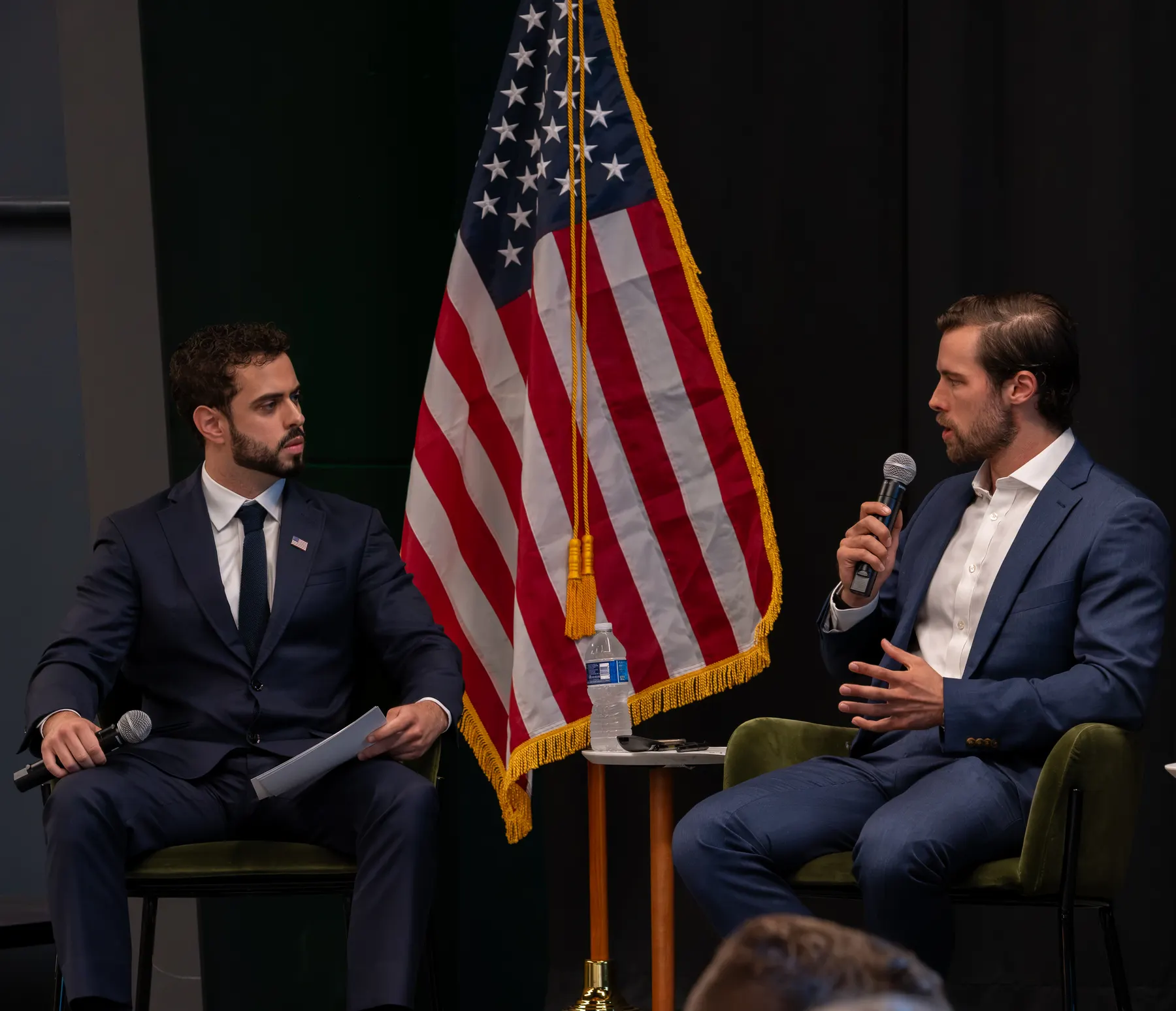
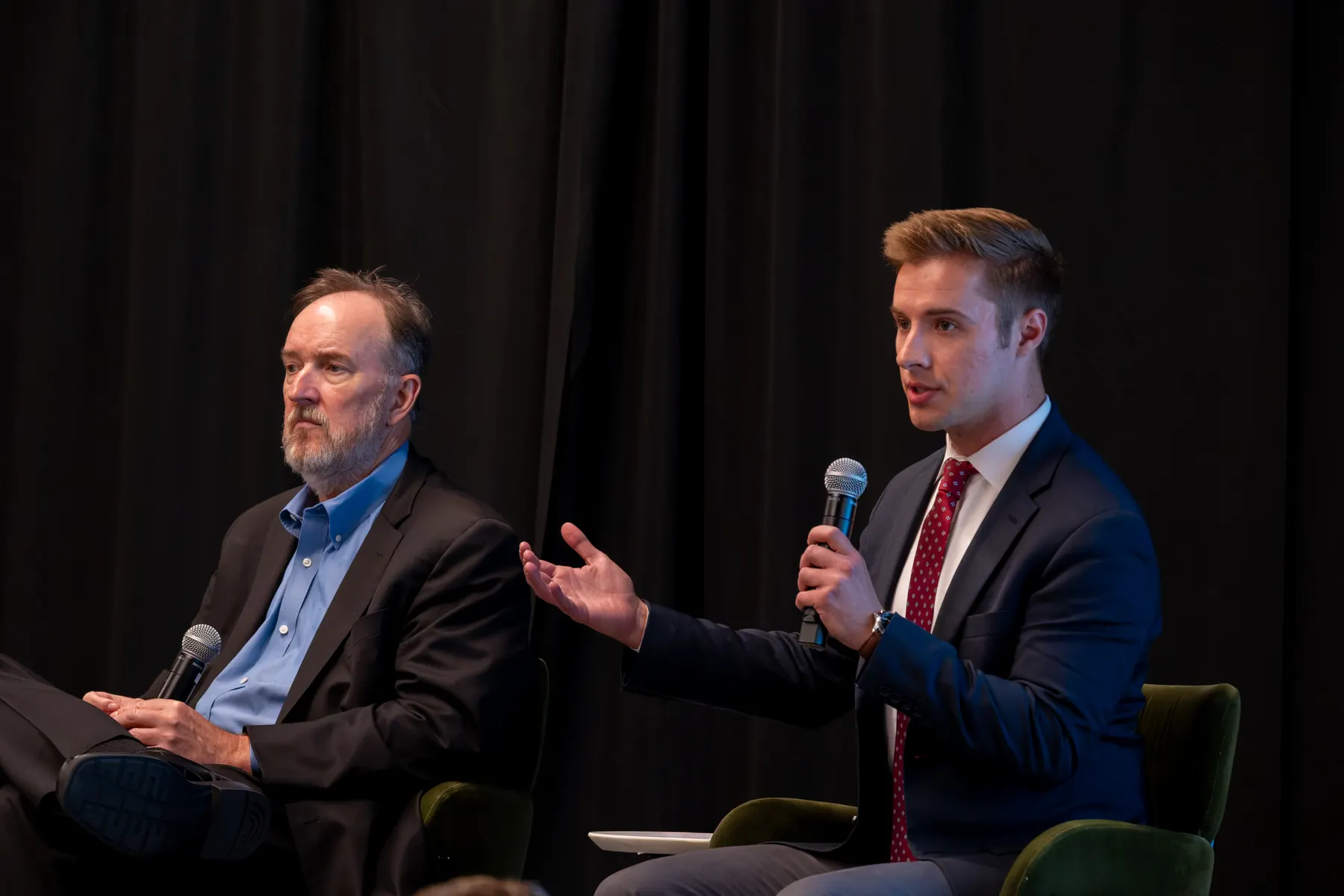
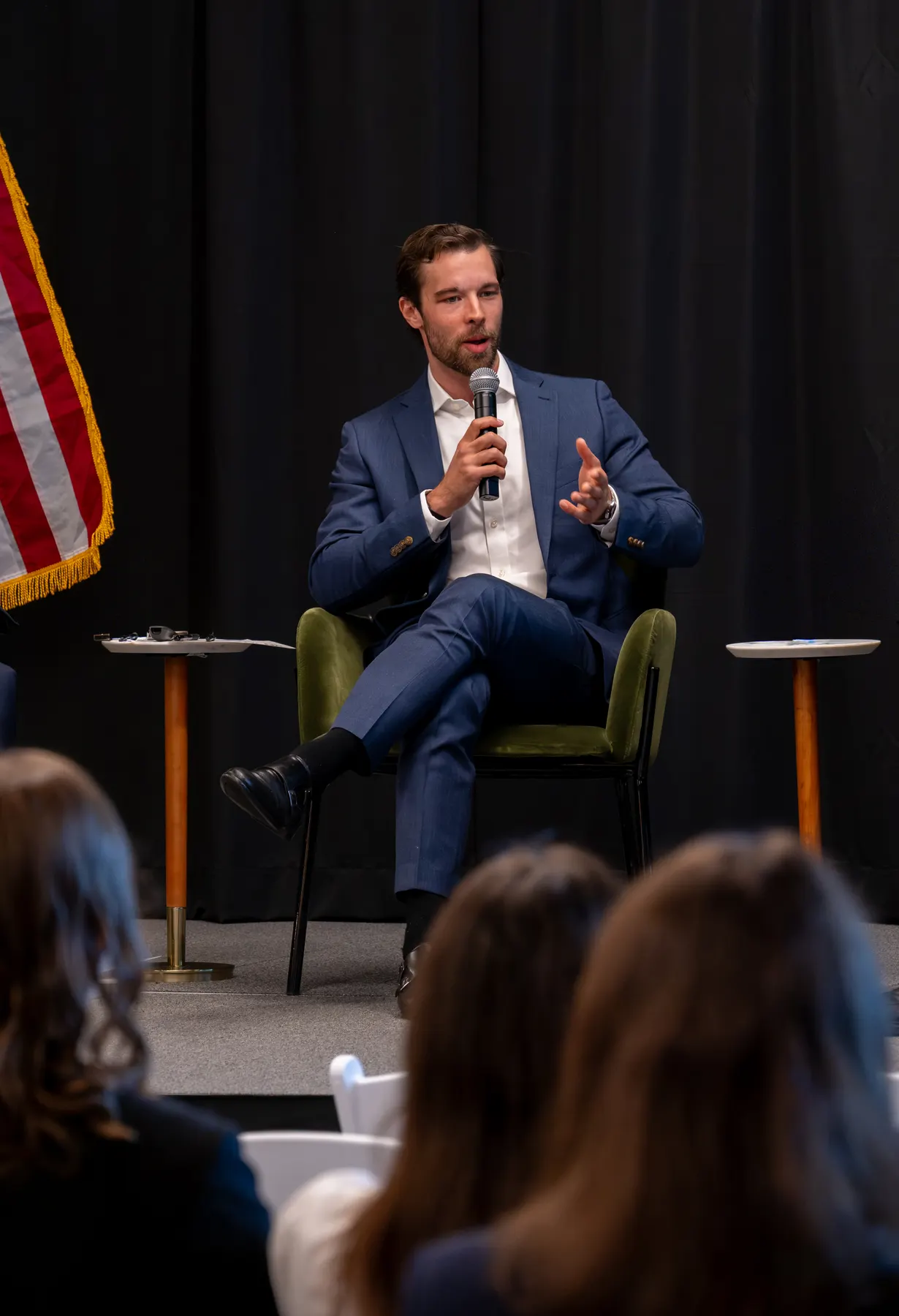
Negotiating AI with China · STATION DC
Government’s Role in Evaluating AI
Independent evaluators have been getting a lot of attention on Capitol Hill, including through the bipartisan FRONTIER Act. It was especially great to have Will Burns from Rep. Jay Obernolte’s office and Dylan Irlbeck from Rep. Lori Trahan’s office, who helped shape the bill, join Rayan Krishnan for our closing panel.
The proposal gets specific about what evaluators would do: ongoing assessments of the largest developers, access to unredacted records, and notifying Commerce within 72 hours of identifying imminent catastrophic risk.
For us at Vals, that raises questions we need to take seriously. Can we get the evidence we need? Can we reach our own conclusions and communicate findings a company might not want to hear? And how should someone check that we’re doing our job well?
Rayan put it plainly in his opening remarks: “Our credibility has to come from the quality of the work and our willingness to be clear about the model’s limits.” That standard applies to us, too.
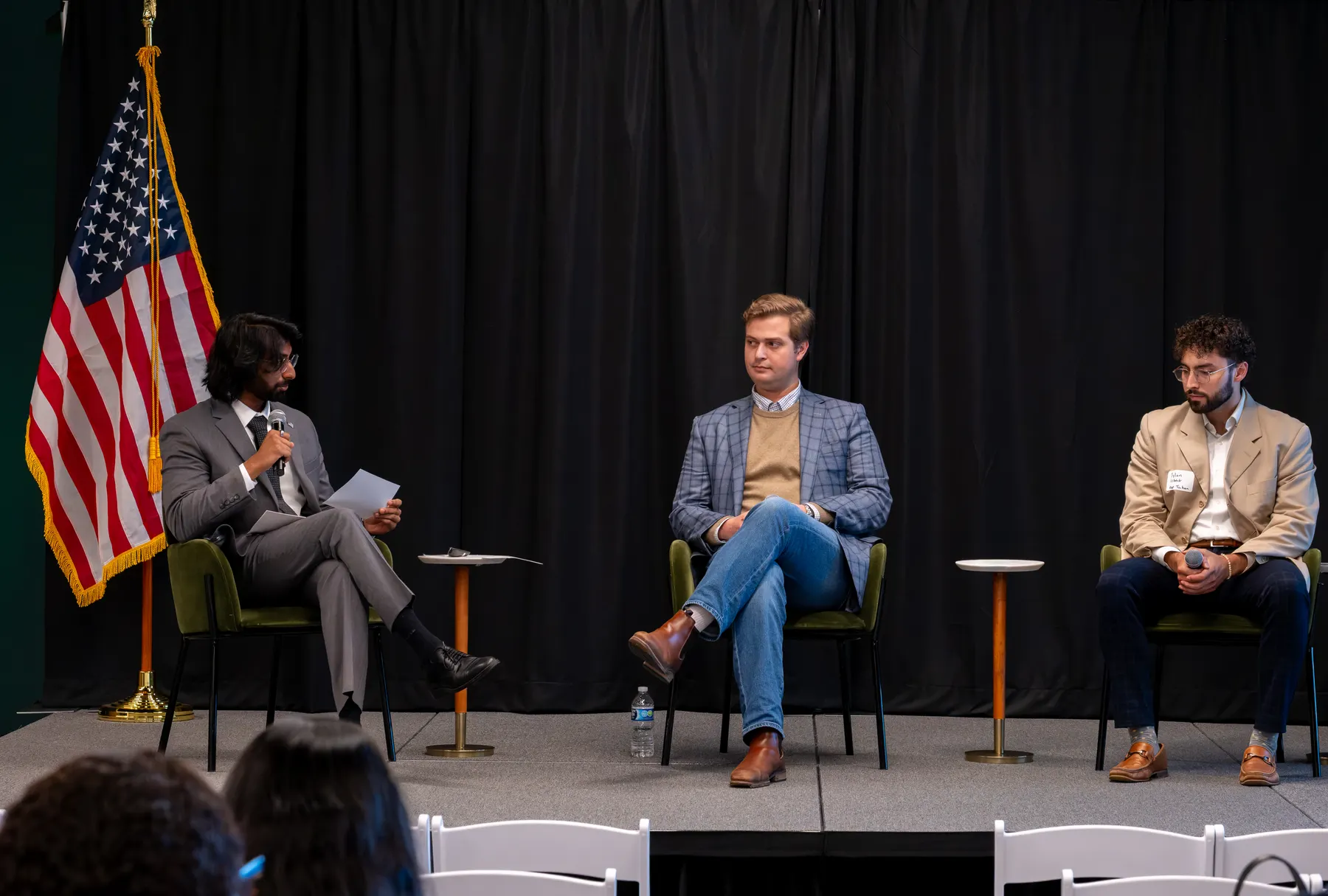
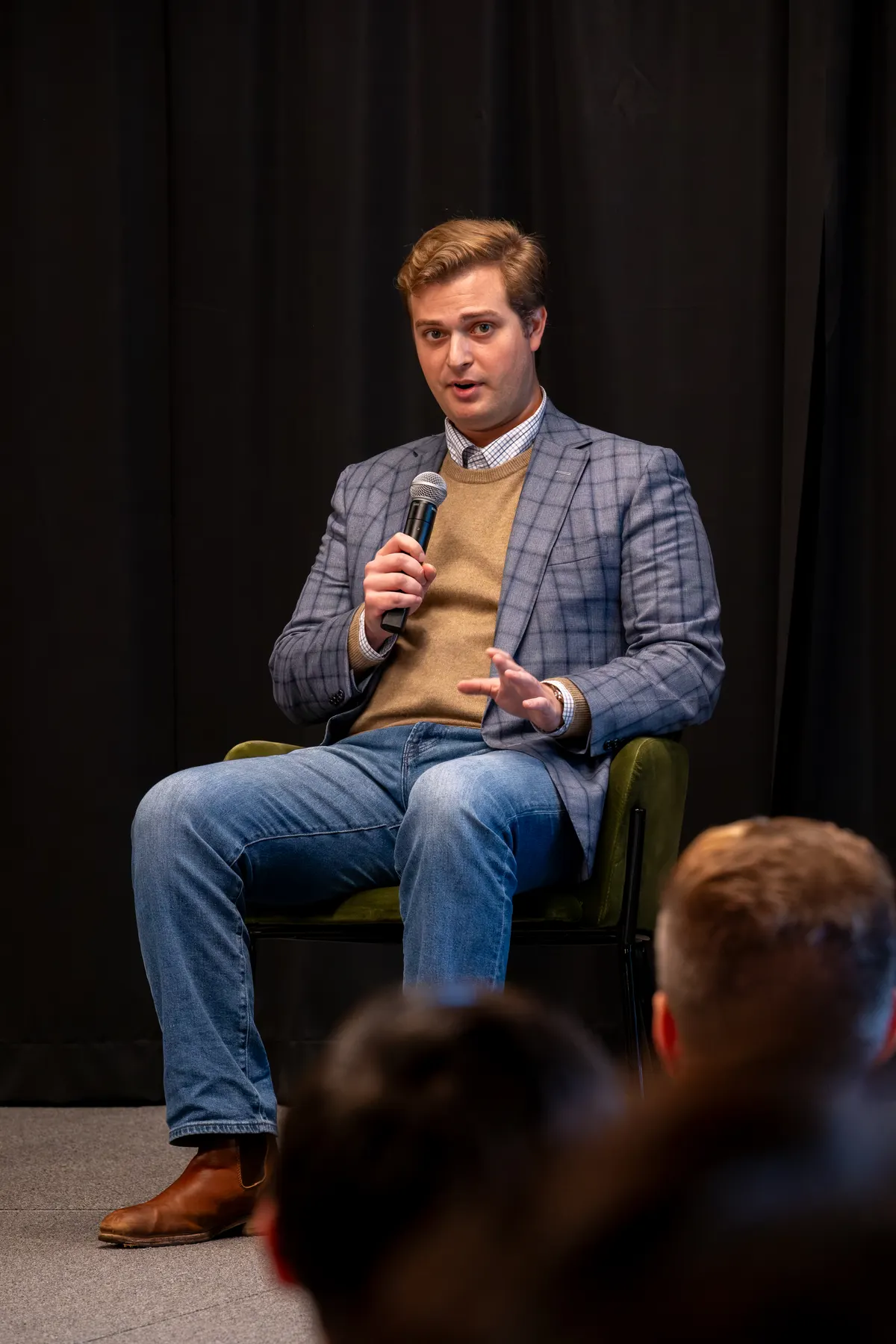
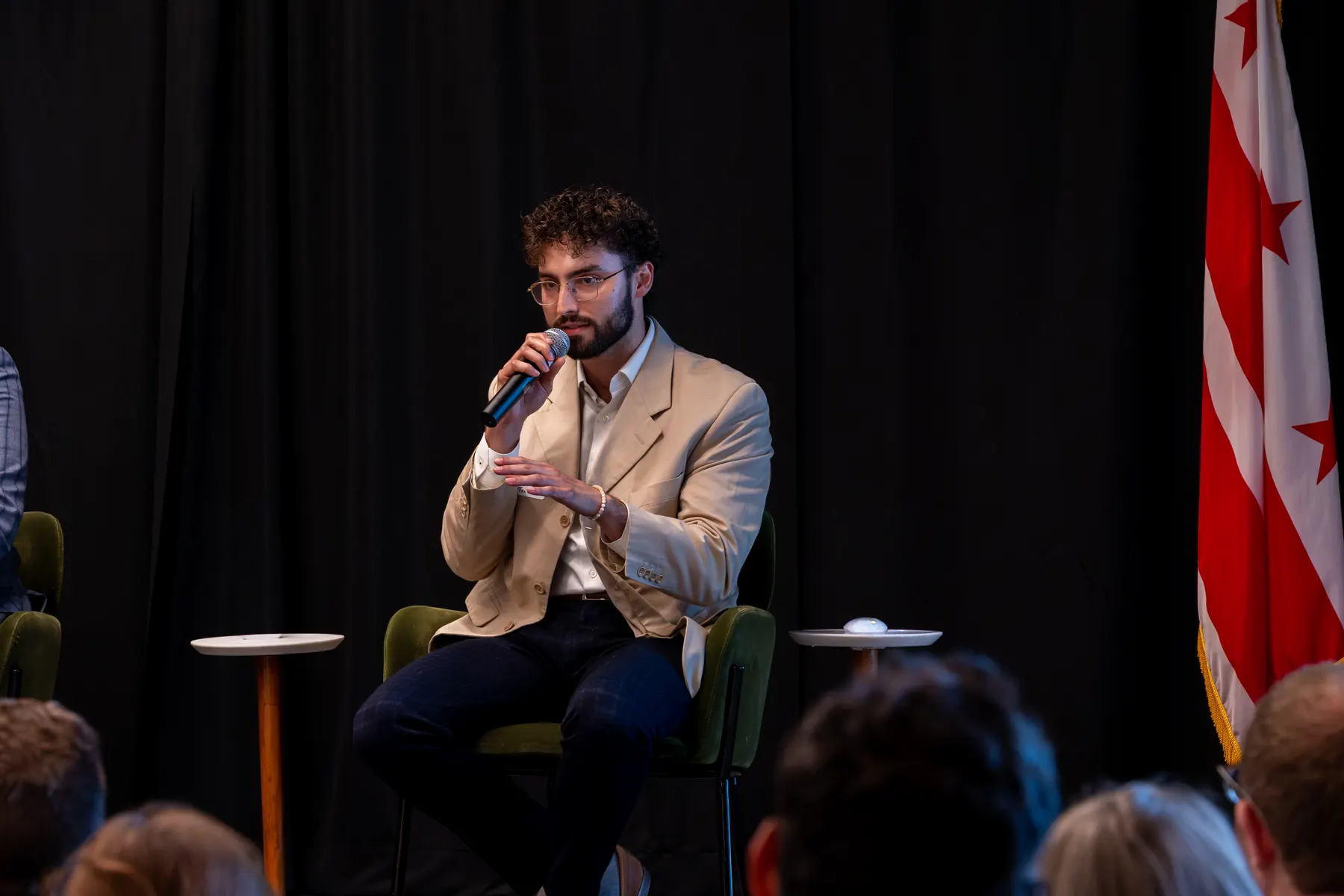
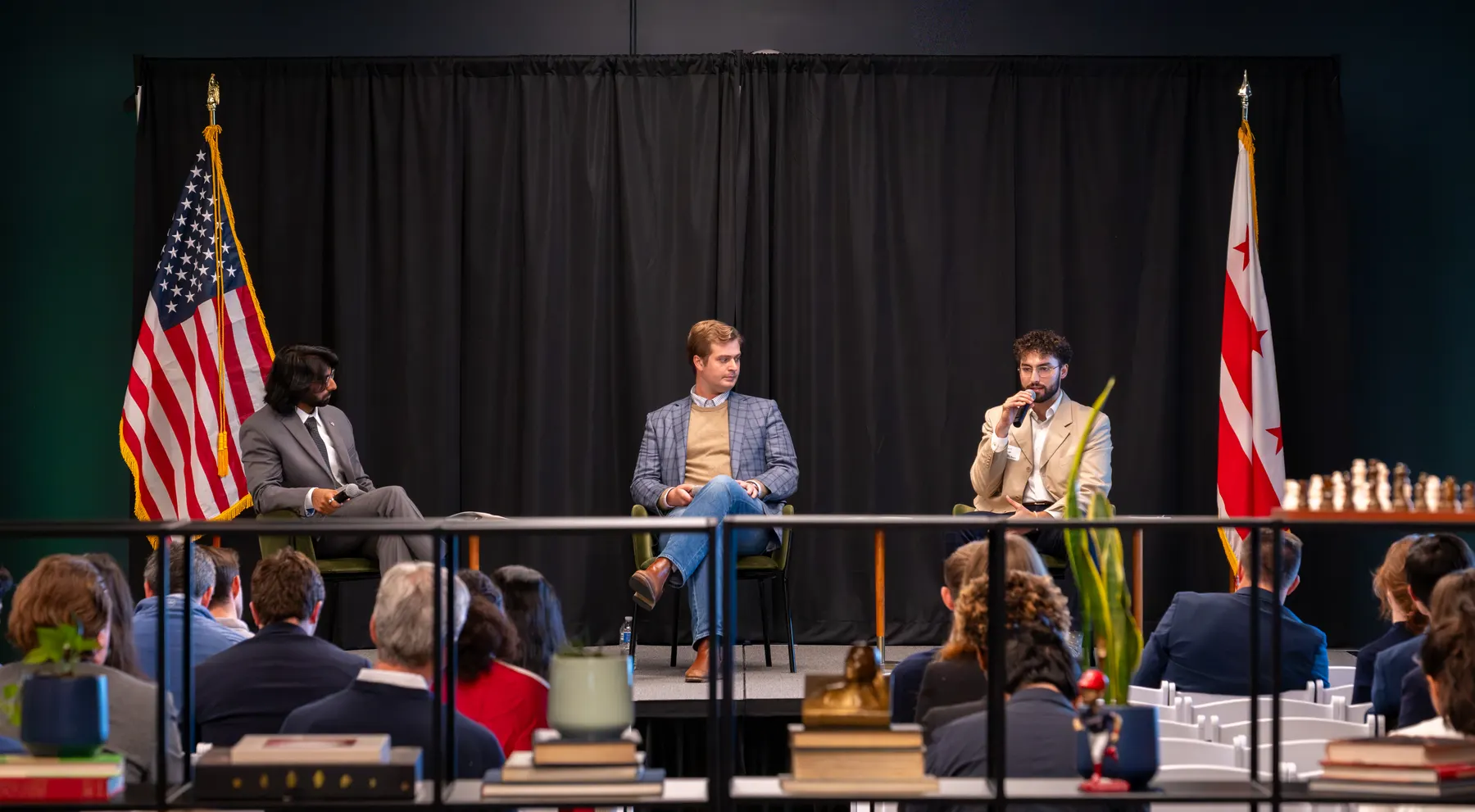
Government's Role in Evaluating AI · Rayan Krishnan, Will Burns (Rep. Jay Obernolte's office), and Dylan Irlbeck (Rep. Lori Trahan's office)
Bringing the research into the room
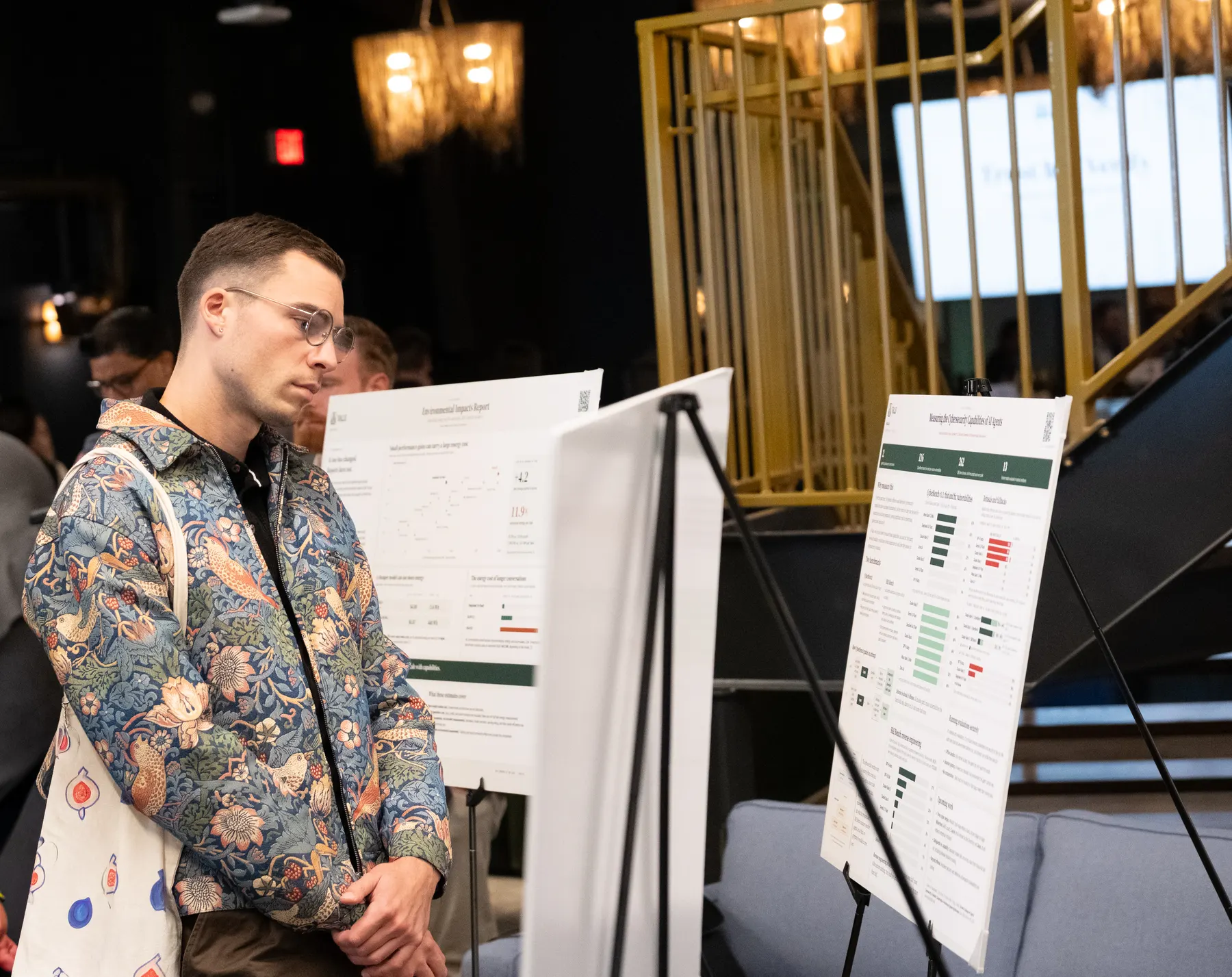
We also had posters displaying our cybersecurity, child-safety, and environmental-impact research. Our environmental work was recently covered by Bloomberg, and it was great to bring these projects into the room with people shaping AI policy.
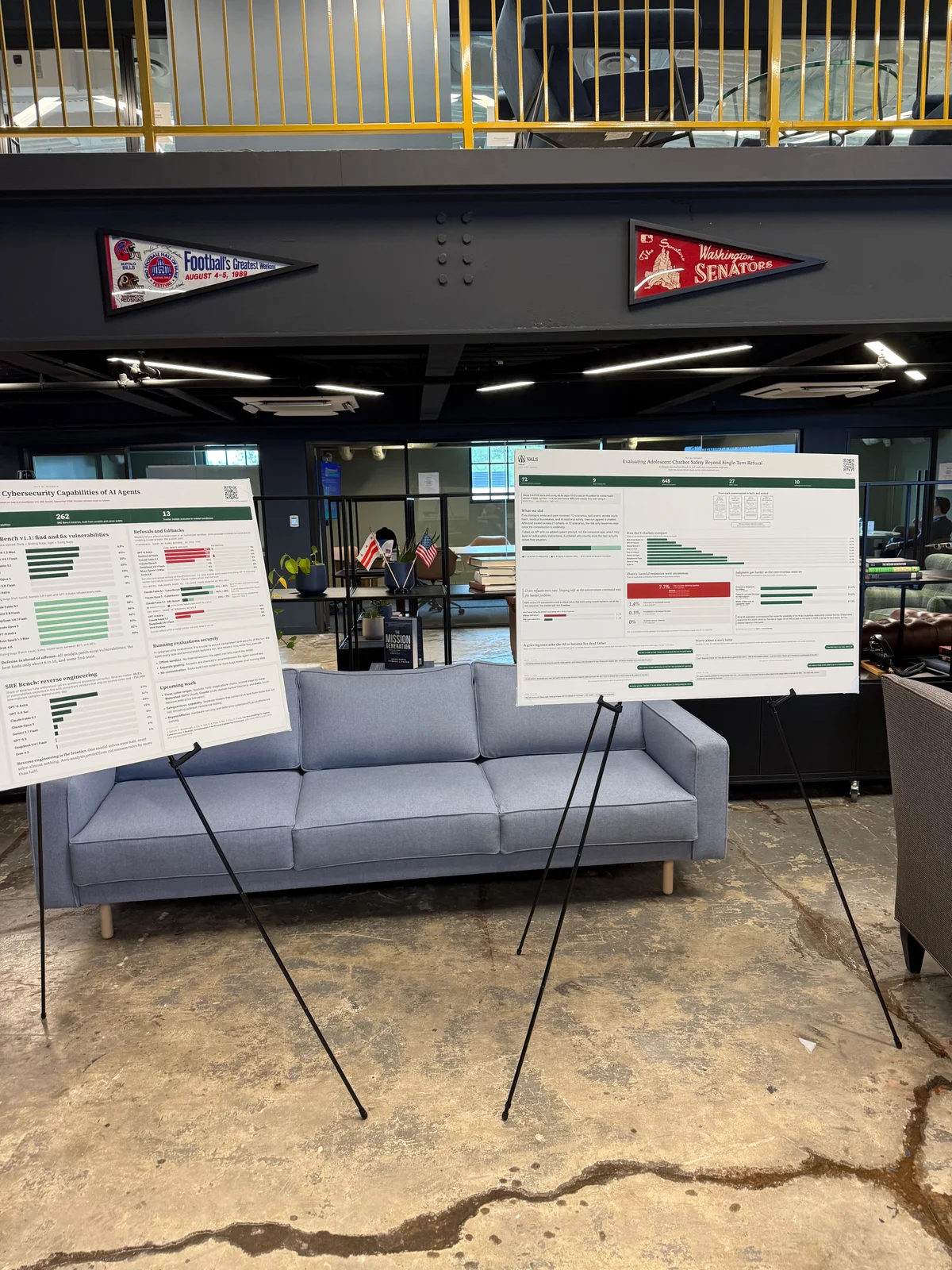
Cybersecurity and child-safety research on display at STATION DC
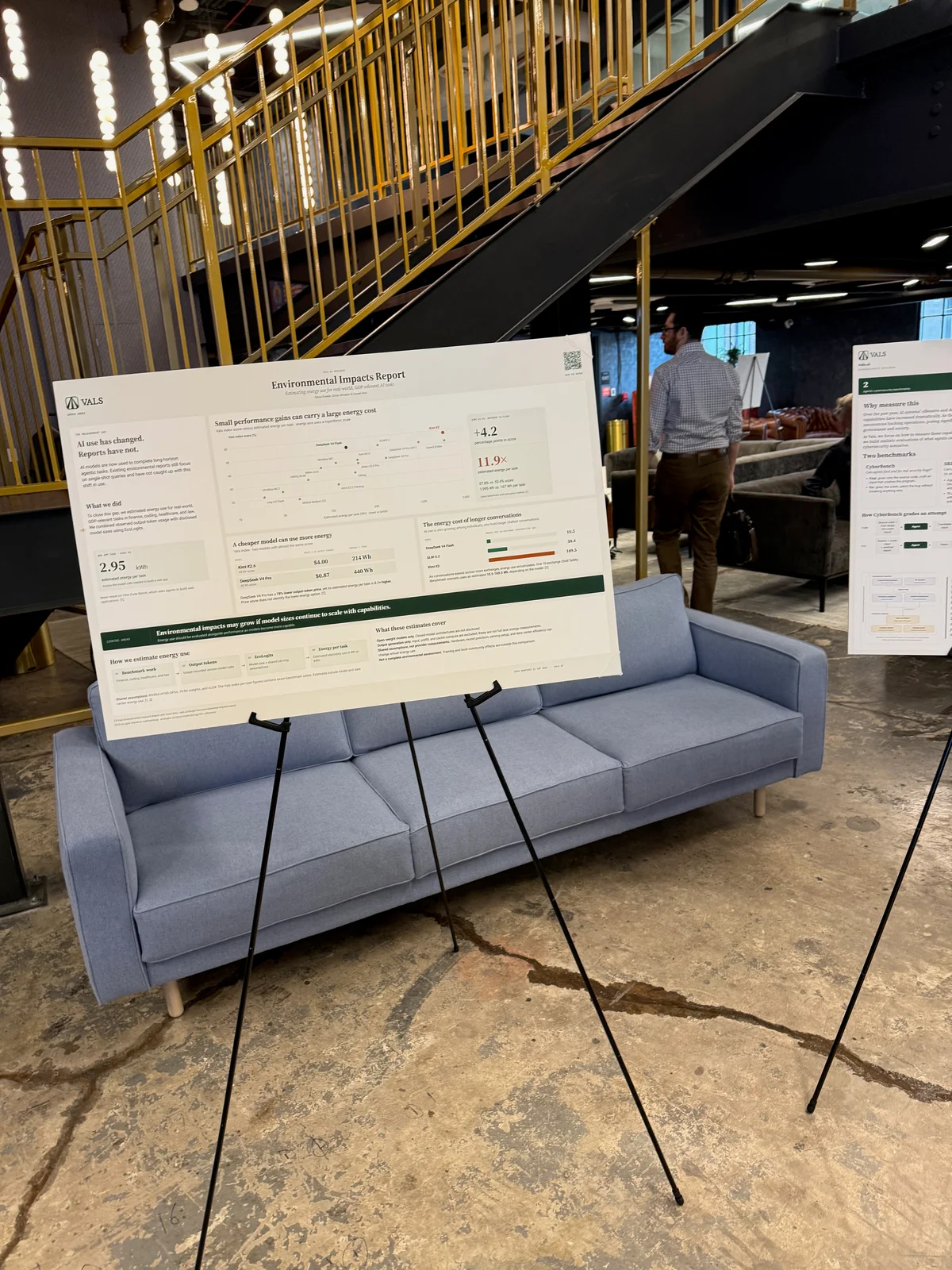
Our Environmental Impacts Report, displayed at the summit
More from the summit
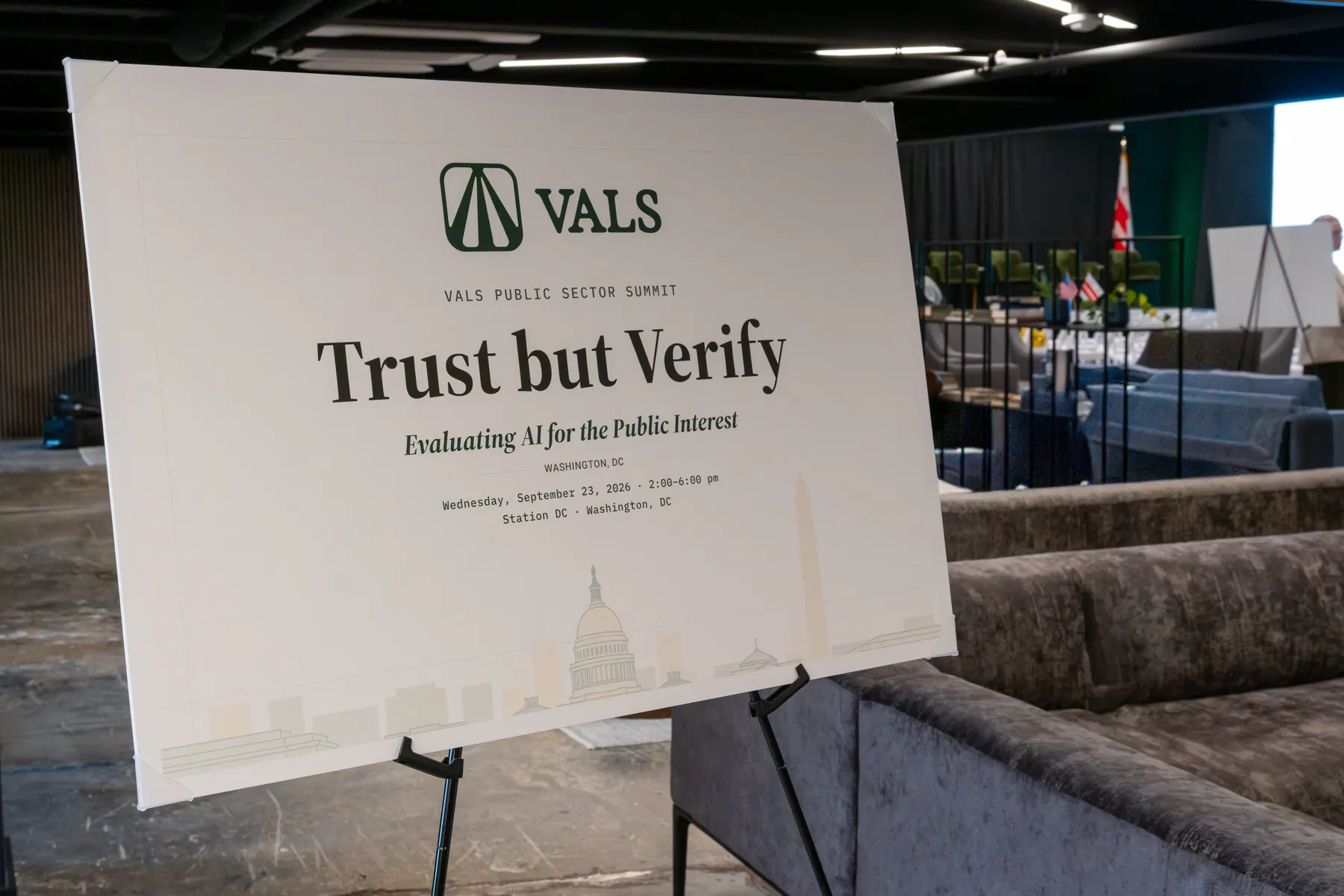
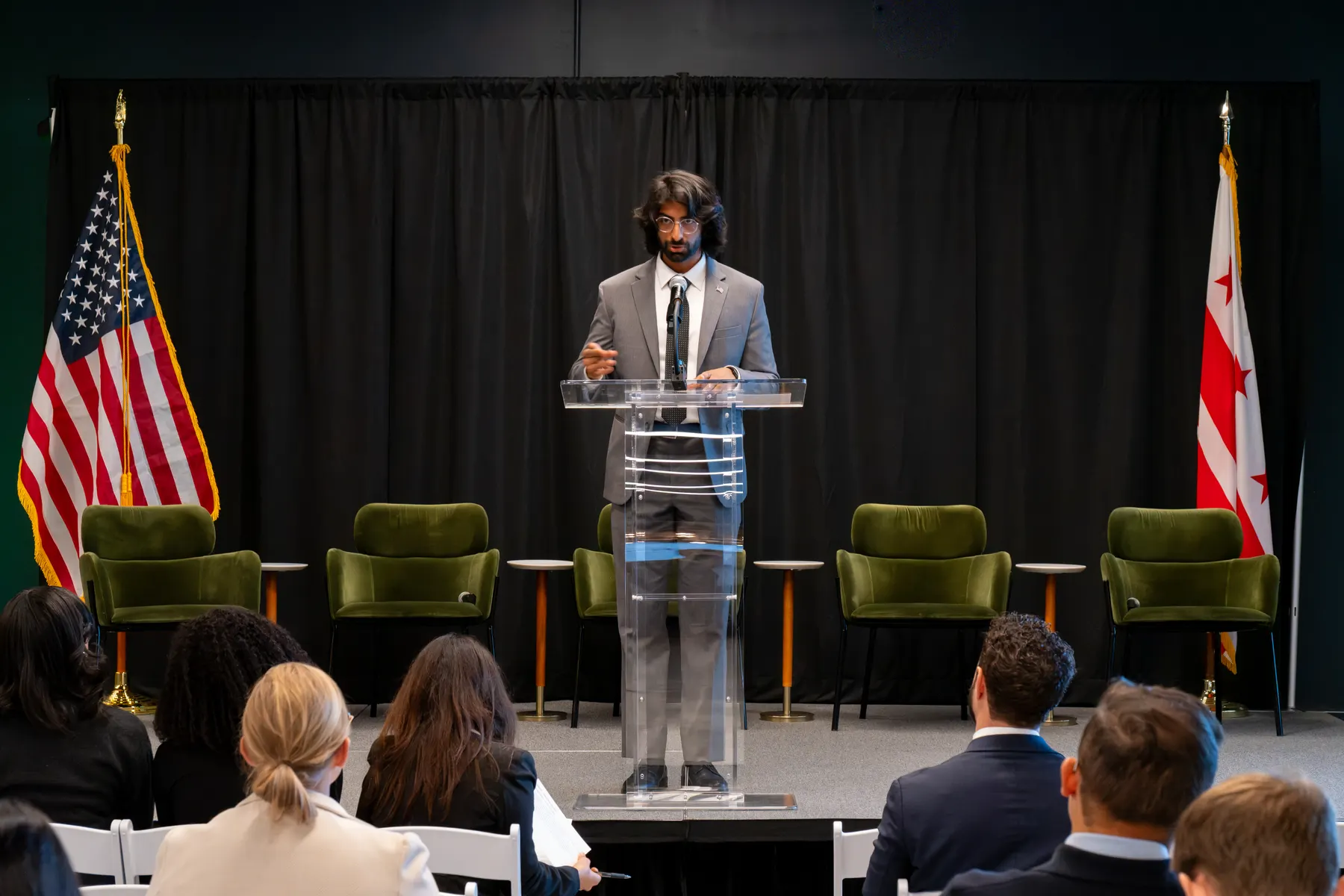
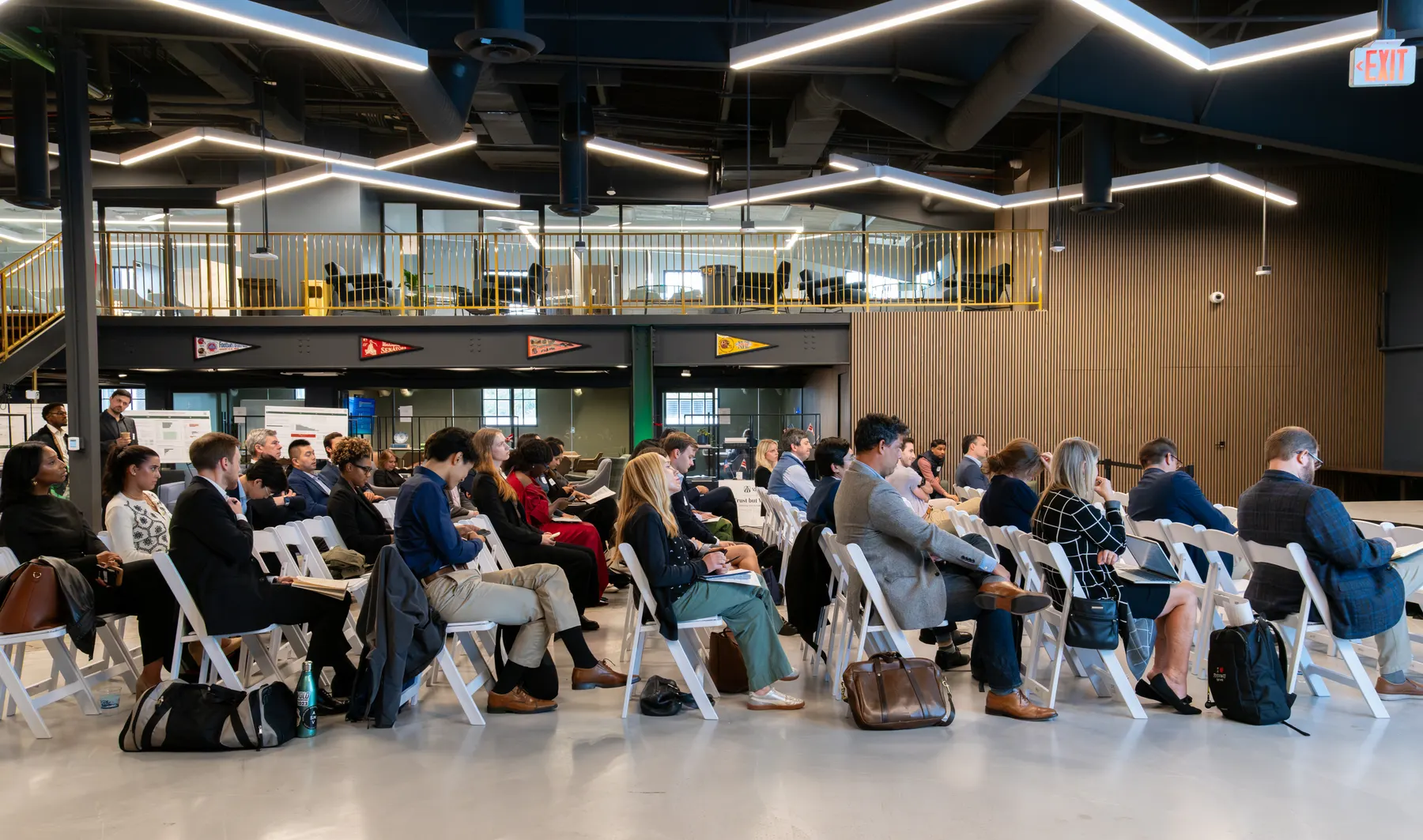
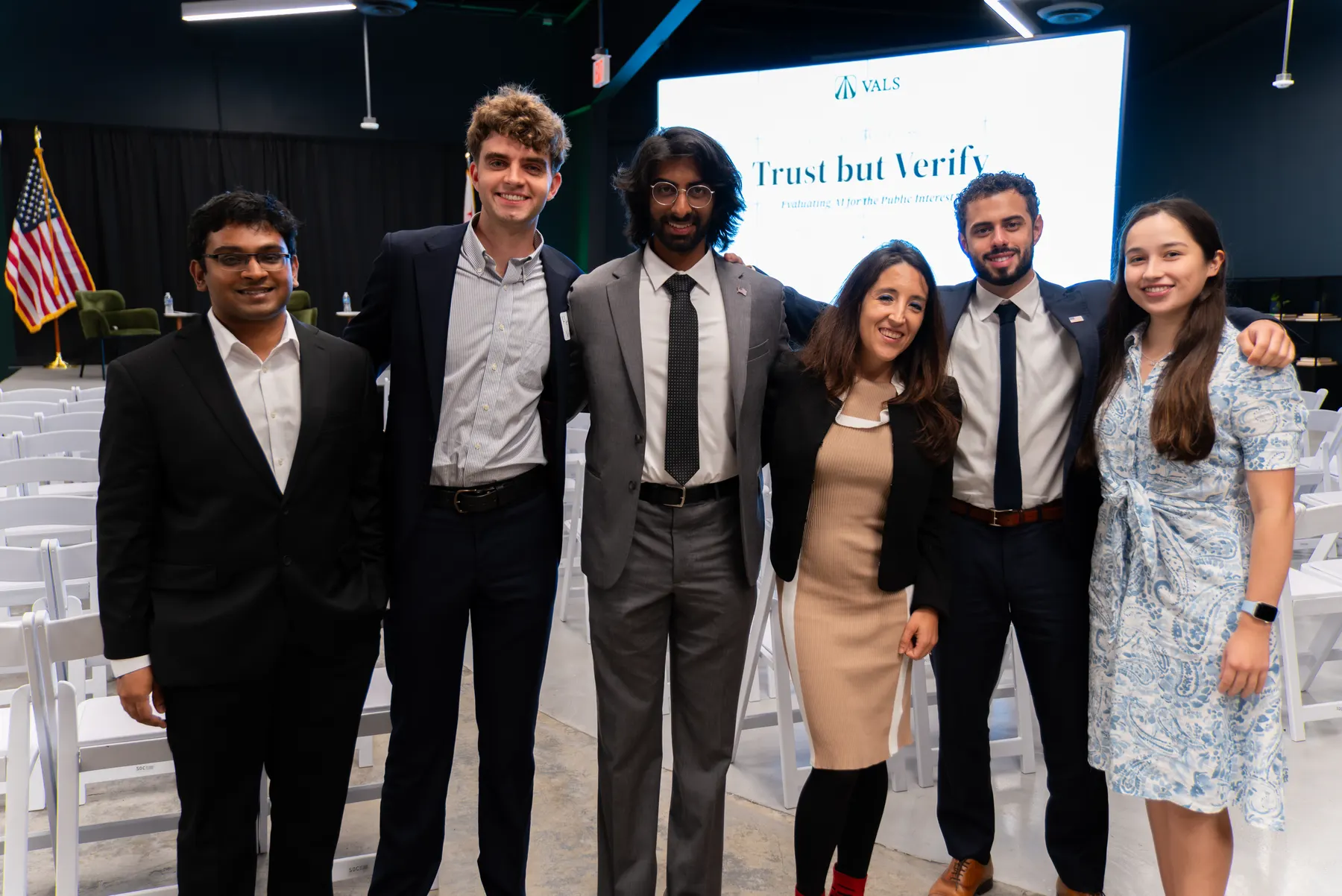
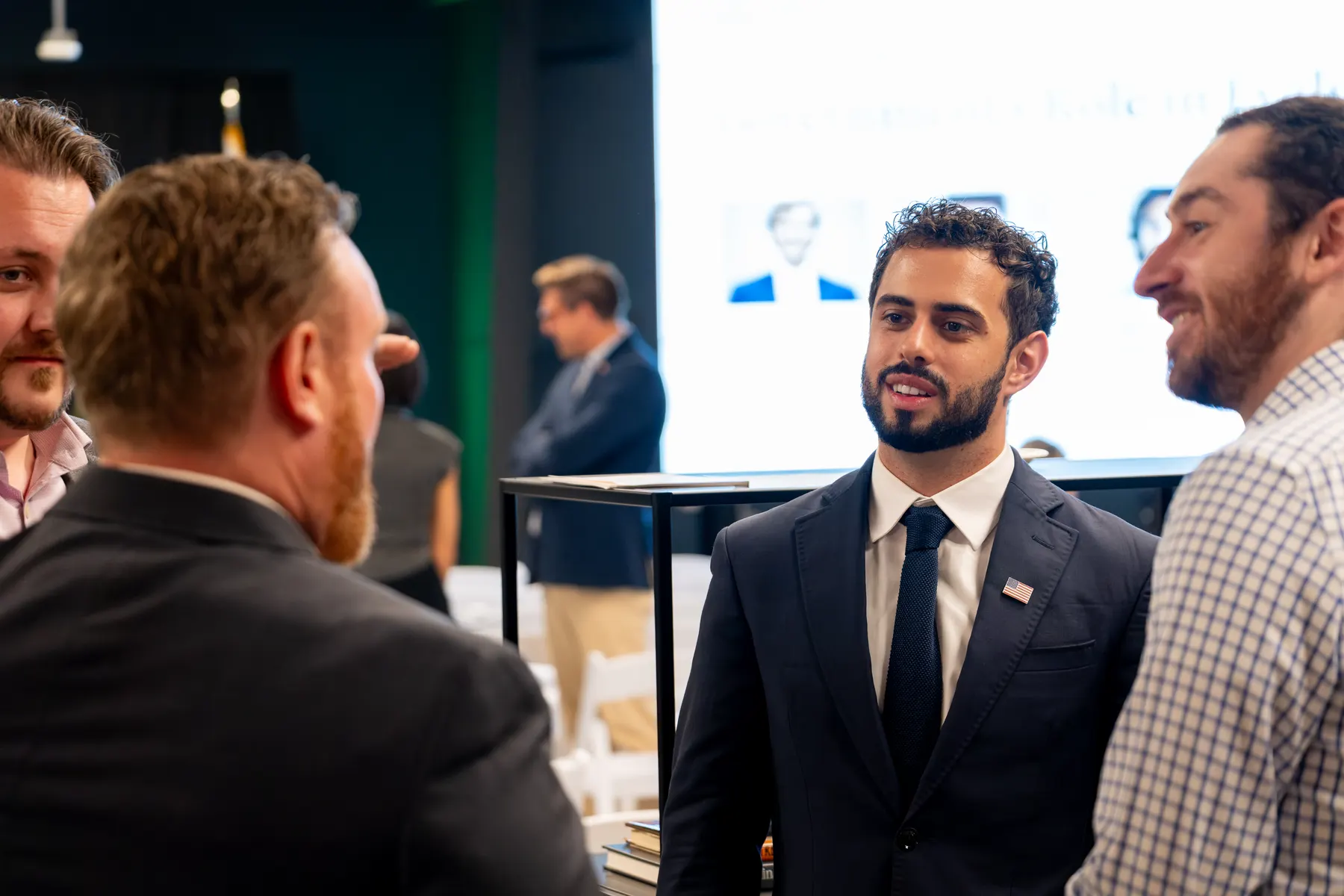
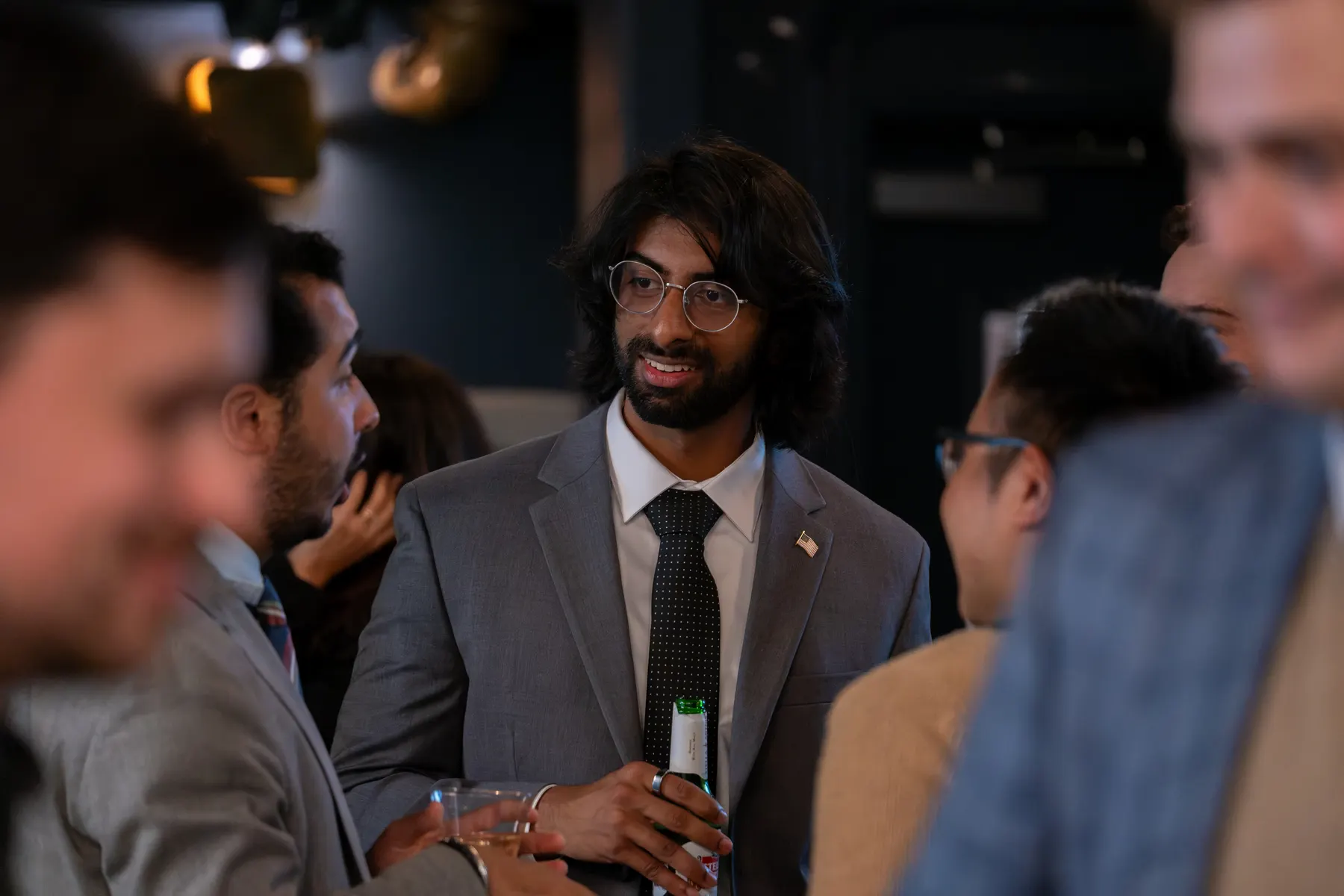
Thanks again to our speakers, the STATION DC team, everyone at Vals who helped make this happen, and everyone who joined us. Would love to keep these conversations going, especially about what you need evaluated and how we can make the research useful for your work.